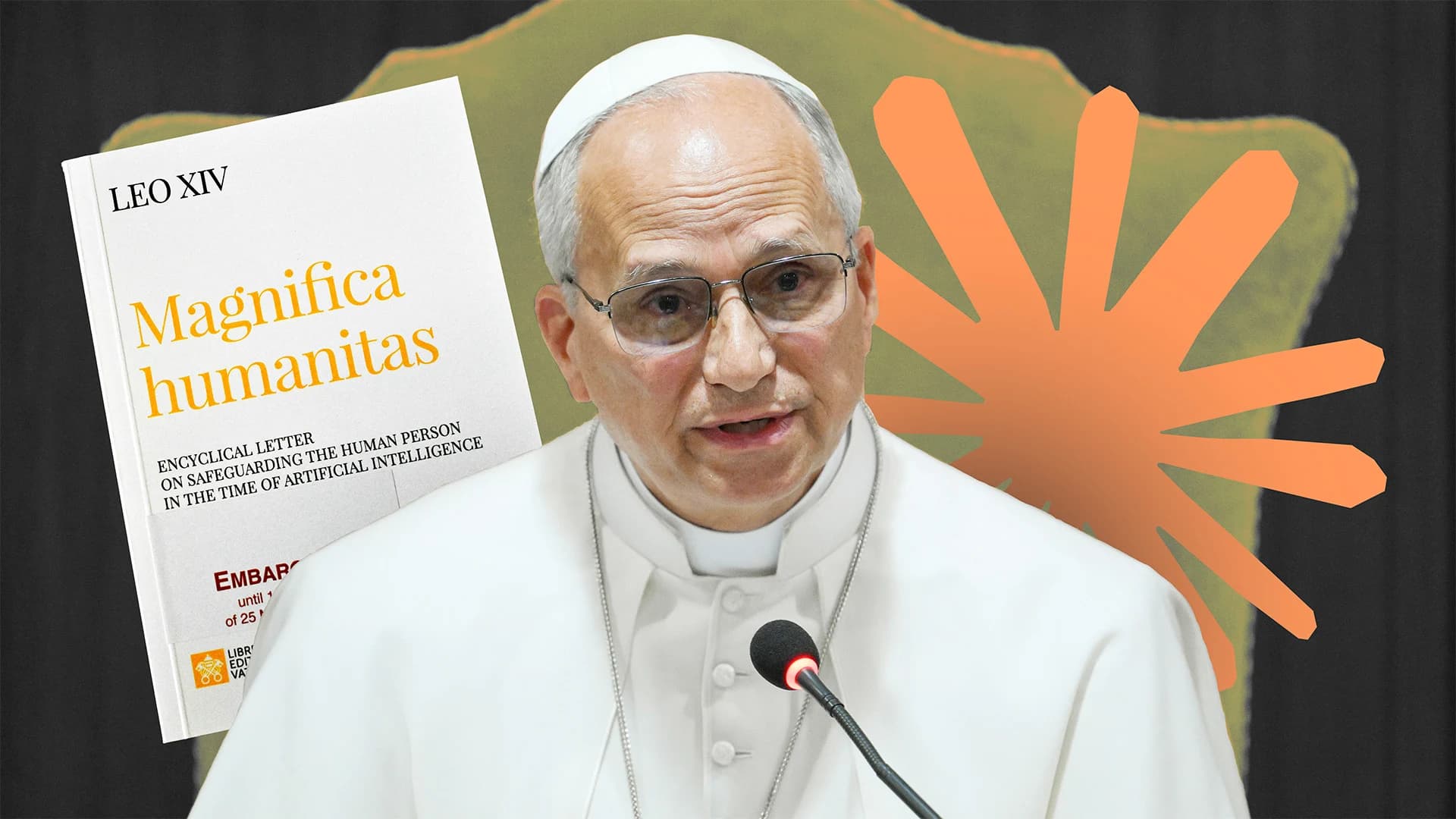
Photo via Inc.
Pope Leo XIV has launched an initiative with Anthropic, one of the leading artificial intelligence research companies, to establish ethical guardrails around AI development and deployment. According to Inc., the Vatican's effort reflects broader concerns within religious and institutional leadership about ensuring AI systems remain aligned with human values and societal interests. The collaboration underscores how AI governance has become a matter of international significance, extending well beyond Silicon Valley boardrooms.
Anthropic researcher Chris Olah, who has described himself as an atheist, is among the tech experts working on this initiative. The partnership demonstrates that despite philosophical differences, stakeholders across religious and secular organizations recognize the urgency of addressing potential AI risks. This cross-sector collaboration model offers a template for how Charlotte-area tech companies and institutions might approach complex governance challenges that transcend traditional industry boundaries.
The Vatican's framing of AI as something that must be 'disarmed' suggests a shift in how global leadership conceptualizes emerging technology—not merely as a tool to be optimized, but as a force requiring active constraint and oversight. For Charlotte's growing tech ecosystem, including companies developing AI applications and services, this signals that ethical frameworks and responsible innovation practices will increasingly influence market positioning and regulatory environments.
As artificial intelligence continues reshaping industries from healthcare to finance, the involvement of authoritative global institutions in setting norms and standards will likely influence how regional businesses approach AI adoption. Companies in the Charlotte area should monitor these emerging governance frameworks, as they may become baseline expectations for responsible innovation and could shape competitive advantages for organizations that prioritize ethical AI development early.