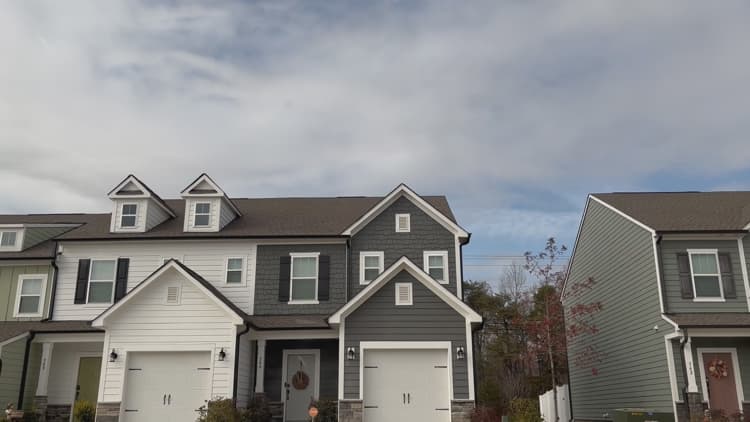
A growing number of jurisdictions nationwide are adopting preapproved building plans as a strategy to expedite the permitting process, a move that could have significant implications for Charlotte's competitive real estate market. By utilizing standardized, previously approved designs, developers can bypass lengthy review cycles that typically delay project timelines. According to housing industry experts, this approach addresses a critical pain point in residential construction that has contributed to affordability challenges across the region.
The financial impact of permitting delays extends directly to end buyers. Each month that a project sits in the approval pipeline introduces additional costs—from carrying charges to labor inflation—that developers ultimately pass along to homebuyers. In a market like Charlotte, where housing affordability remains a key concern for both residents and policymakers, streamlining this process could provide meaningful relief. The strategy essentially treats the permitting phase as an area ripe for operational efficiency improvements.
For Charlotte-area builders and developers, preapproved plans represent an opportunity to accelerate project delivery and improve margins in an increasingly competitive landscape. Smaller developers, in particular, could benefit from reduced administrative burden, potentially leveling the playing field against larger regional competitors. The approach also signals to local government that expedited processes need not compromise building standards.
As Charlotte continues to grapple with housing supply constraints and affordability pressures, local policymakers may consider whether adopting similar preapproval frameworks could accelerate residential development while maintaining code compliance. Early adoption of such strategies could position the region as developer-friendly while still prioritizing quality construction and community standards.