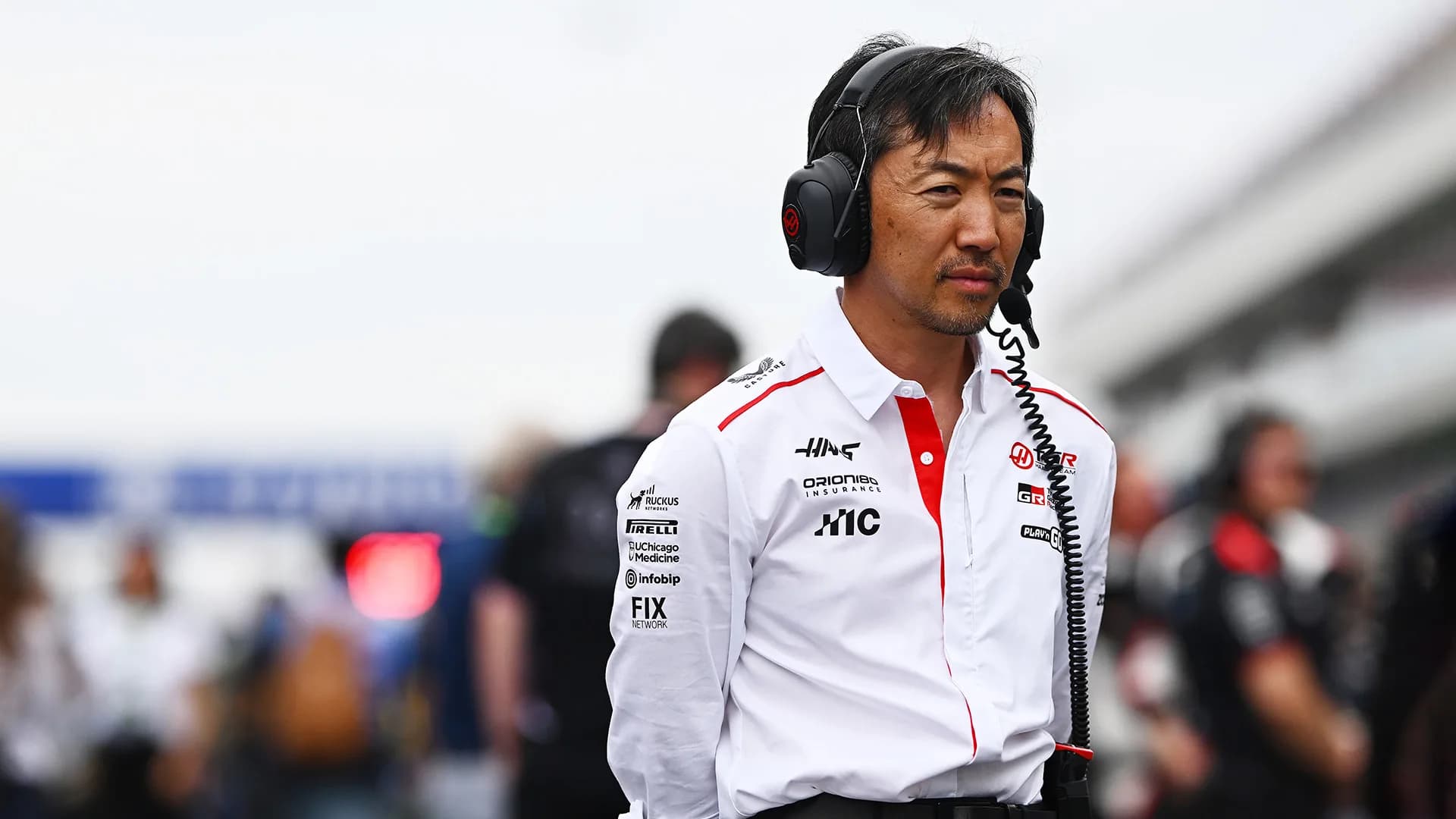
Photo via Inc.
When organizations face performance challenges, the instinct is often to tighten controls and add oversight. But according to analysis of Haas F1's turnaround strategy, effective leadership takes the opposite approach. By identifying and removing the barriers that prevent teams from performing at their best, leaders create an environment where talent can flourish. This philosophy applies equally to manufacturing floors in Mooresville as it does to racing circuits.
The key distinction is between management through constraint and management through enablement. Rather than implementing new policies or layers of approval, transformed leaders ask themselves what's preventing their teams from succeeding. Is it unclear priorities? Outdated processes? Lack of resources? By addressing root obstacles, leaders demonstrate trust in their people while simultaneously removing friction that drains productivity and morale.
For Charlotte-area companies navigating post-pandemic operations and competitive pressures, this mindset shift has measurable value. Teams that feel empowered to solve problems directly—rather than navigating bureaucratic processes—respond faster to market demands and retain top talent more effectively. The cost savings from reduced administrative overhead often exceed what companies would spend on new initiatives.
The turnaround lesson extends beyond any single industry: sustainable improvement comes from building systems that work for people, not against them. Leaders who audit their own policies through this lens—asking which rules actually enable success versus which simply create compliance—often discover surprising opportunities to strengthen performance while simplifying operations.