Photo via Fast Company
A new publication, "Out There: New Architecture Across America," examines how a new generation of architects is approaching design with resourcefulness and community focus as core principles. The book, edited by Peter MacKeith of the University of Arkansas and former AIA leaders Robert Ivy and Cathleen McGuigan, profiles 50 regional and small-town architectural firms that are delivering meaningful projects despite economic constraints. According to the book's thesis, impact isn't measured by square footage or budget size—small, thoughtfully designed buildings often become anchors for their communities.
The economic realities facing architects today make this approach increasingly necessary. The American Institute of Architects has reported 25 consecutive quarters of declining billing, with renovation work now surpassing new construction as the primary revenue source. This shift has pushed firms to embrace adaptive reuse, material experimentation, and inspiration from local building traditions. As one featured architect noted, the guiding principle is simple: "innovation necessarily equals economy."
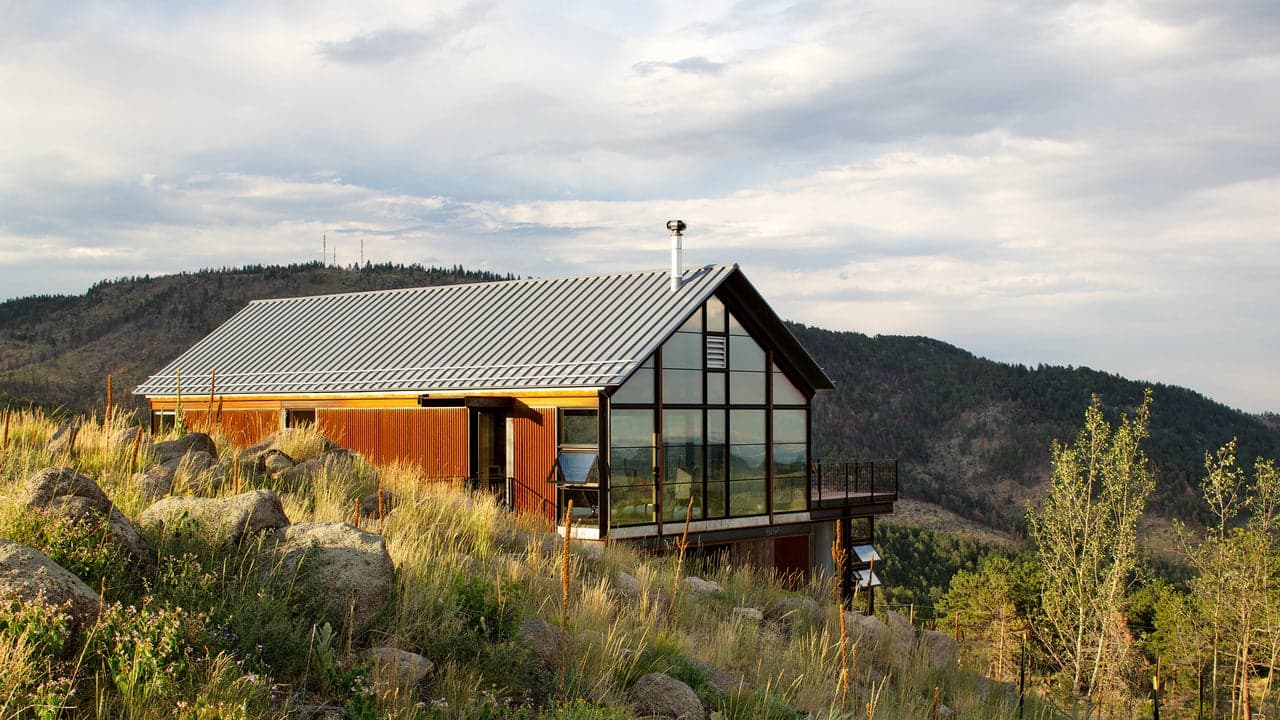
Barn forms appear repeatedly throughout the book—not as aesthetic nostalgia, but as practical building methodology. De Leon + Primmer, a Louisville-based firm featured in the publication, explains that the barn structure represents maximum enclosed square footage with minimum materials and labor, making it ideal for nonprofits and community organizations with limited budgets. The approach draws on regional construction knowledge and local materials, delivering quality results at price points that small communities can actually afford.
For Charlotte-area developers and nonprofit leaders working within budget constraints, this model offers valuable insights. Rather than dismissing regional architectural traditions as cliché, forward-thinking firms are treating vernacular building methods as sophisticated solutions to real problems. Whether adapting existing structures or designing new ones, the emphasis on local context, material efficiency, and community impact represents a growing trend in how American architecture balances aesthetics with practical necessity.