Photo via FreightWaves
As restaurants and food service providers grapple with inflationary pressures and volatile fuel costs, logistics operators are increasingly turning to hedging strategies to stabilize their supply chains. According to FreightWaves, companies like Armada have deployed comprehensive fuel management solutions that help clients navigate the persistently challenging economics of food and restaurant logistics—a sector traditionally burdened by razor-thin margins.
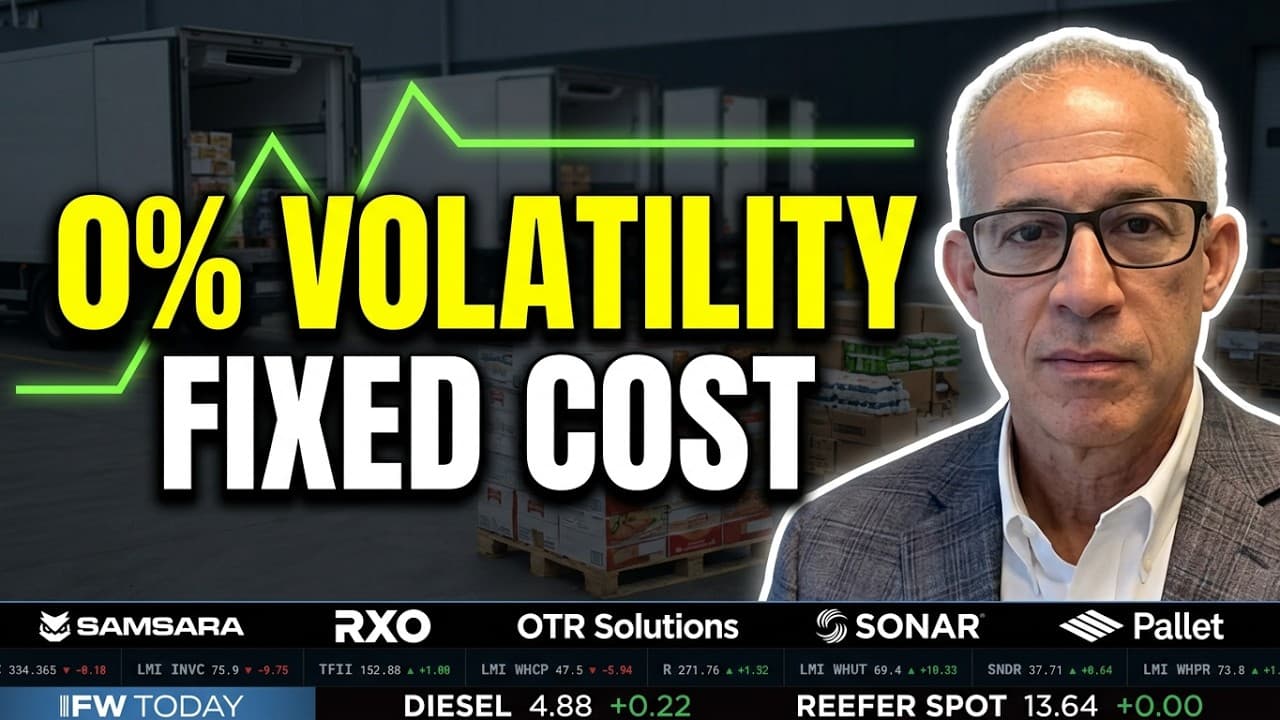
Fuel hedging allows logistics providers to lock in energy prices ahead of time, reducing exposure to unpredictable commodity swings that can quickly erode profitability. By incorporating these financial instruments alongside operational optimization, Armada has reportedly helped its clients save nearly $9 million during periods of heightened fuel volatility and inflationary pressure. The approach underscores how strategic financial planning has become as critical as route optimization in the modern supply chain.
Beyond traditional hedging, logistics operators are also exploring artificial intelligence and emerging technologies to further refine their networks and reduce costs. These innovations—from route optimization algorithms to demand forecasting tools—promise to compress waste and enhance efficiency across the food delivery ecosystem, offering restaurants and their suppliers new ways to defend their margins in an inherently cost-sensitive industry.