Photo via WCNC Charlotte
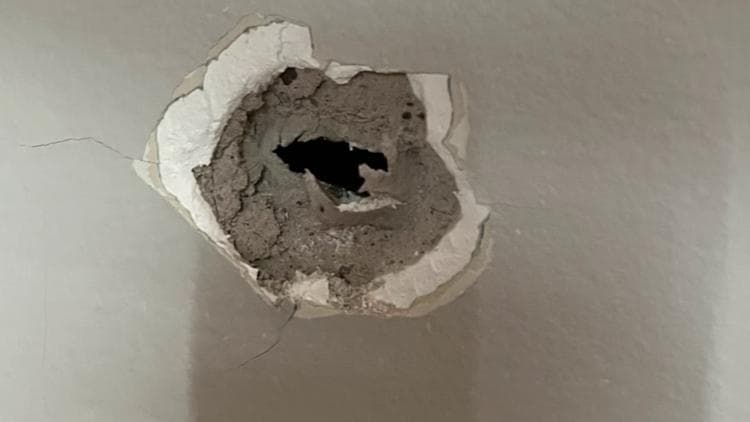
Charlotte's residential security crisis has reached alarming levels, with Charlotte-Mecklenburg Police Department data revealing 282 incidents of gunfire directed at occupied properties during the first half of this year. According to WCNC Charlotte, the spike in shootings into homes represents a significant threat to both resident safety and the stability of neighborhoods across the city. For homeowners and real estate investors, these statistics signal deteriorating conditions in affected areas and raise concerns about property values, insurance rates, and long-term neighborhood viability.
The surge in residential gun violence carries direct implications for Charlotte's real estate market. Neighborhoods experiencing elevated shooting incidents often see reduced buyer interest, declining property assessments, and increased difficulty attracting new residents and businesses. Community organizations are mobilizing prevention efforts to address root causes, but real estate professionals and property owners report that violence-affected areas face sustained market pressure. The challenge extends beyond individual homes to entire commercial corridors and development zones that depend on perceived safety and stability.
For Charlotte business leaders and property stakeholders, addressing this crisis requires coordinated action between law enforcement, community groups, and real estate sector participants. Stabilizing neighborhoods where violence persists directly impacts commercial activity, workforce retention, and the city's competitive position for business recruitment. As community prevention initiatives continue, the business community's role in supporting safe neighborhoods becomes increasingly critical to Charlotte's economic resilience and growth trajectory.