Photo via FreightWaves
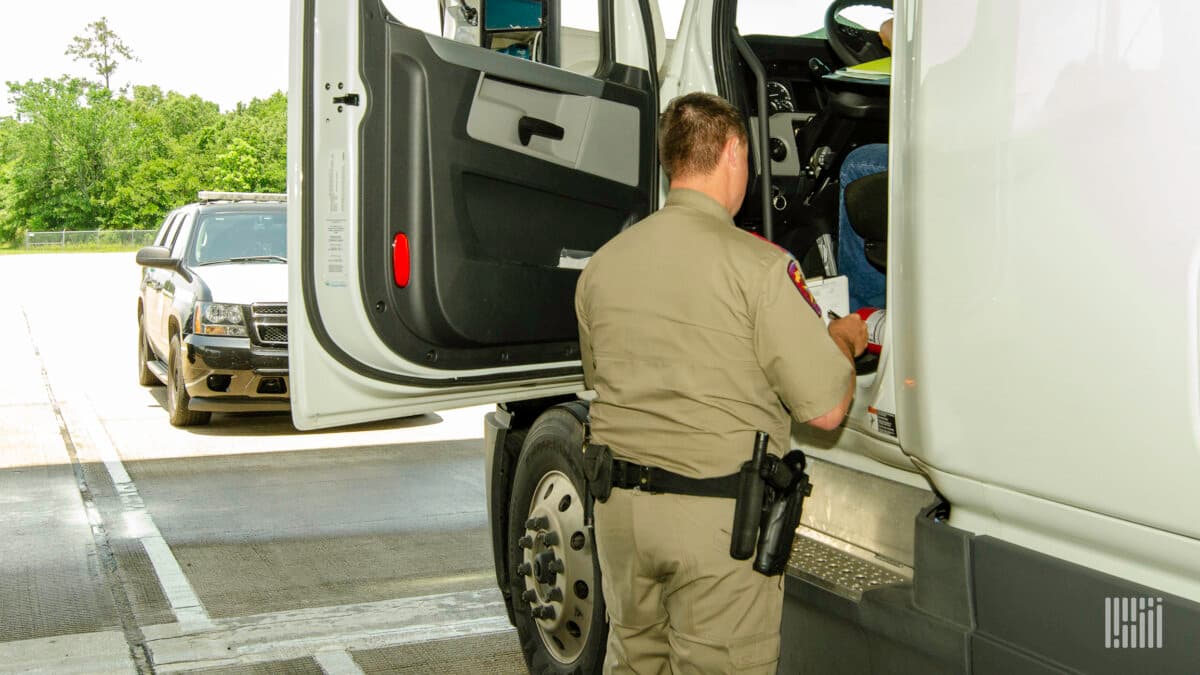
According to FreightWaves, a new enforcement landscape is emerging in the trucking industry as roadside camera networks and license plate readers become increasingly sophisticated. A recent incident at an Arizona weigh station illustrated the shift: an officer was able to reconstruct a driver's entire multi-state route using camera footage and automated readers, then compare that real-world timeline against the driver's paper logs. The discrepancies revealed by this technology signal a fundamental change in how transportation authorities monitor compliance.
For Charlotte-area logistics and transportation companies, this trend carries significant implications. The region's robust freight and supply chain sector—anchored by major distribution hubs and regional carriers—will need to adapt to this more transparent accountability environment. Operators managing fleets across state lines should recognize that traditional compliance methods face mounting scrutiny from increasingly automated systems.
The shift toward technology-driven enforcement reflects broader industry trends toward digital accountability. Electronic logging devices (ELDs) have already begun replacing paper logs for many carriers, but this camera network development suggests regulators are moving beyond driver self-reporting. Compliance officers now face a dual-verification system where location data can independently confirm or contradict recorded hours-of-service claims.
For Charlotte business leaders in transportation and logistics, the takeaway is clear: investment in transparent, accurate record-keeping and fleet management systems is no longer optional. Companies that proactively modernize their compliance infrastructure and embrace real-time monitoring may gain competitive advantages, while those relying on outdated practices face increased enforcement risk and potential operational disruptions.