Photo via TechCrunch
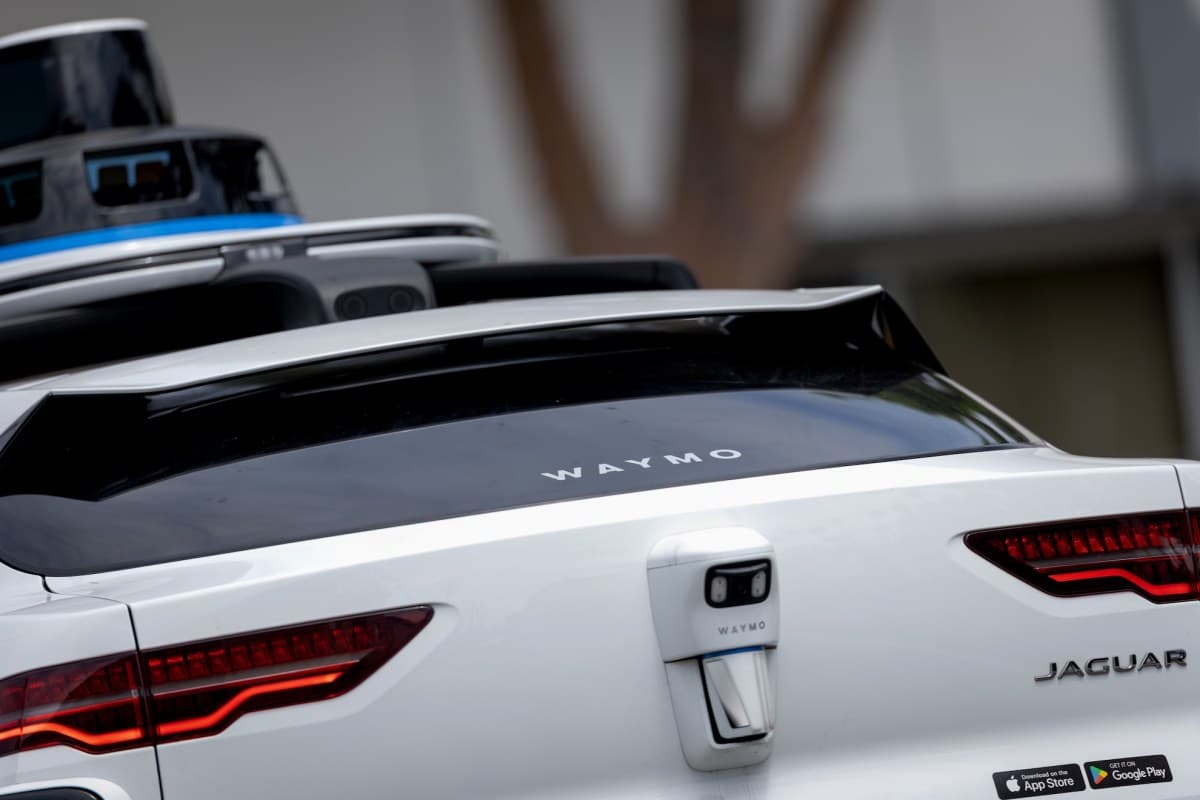
The autonomous vehicle industry is undergoing a critical reassessment as robotaxi services confront operational hurdles and market realities. According to TechCrunch, companies that once promised rapid nationwide deployment are now navigating regulatory complexities, safety validation requirements, and consumer adoption challenges that extend timelines considerably. This recalibration offers important lessons for Charlotte businesses evaluating how autonomous technology might reshape local transportation and supply chain operations.
For the Charlotte region, the implications are significant. The Queen City's growing logistics and distribution sector—anchored by major companies and the Port of Charleston's influence—stands to be affected by how quickly autonomous vehicles become commercially viable. A prolonged timeline for robotaxi deployment means businesses should continue investing in hybrid strategies that combine human drivers with selective automation, rather than betting entirely on full autonomy in the near term.
The current reality check is also forcing a reckoning about where autonomous technology delivers genuine value versus where it remains speculative. Rather than consumer robotaxis disrupting urban transportation immediately, near-term advantages are emerging in controlled environments: warehouse automation, highway trucking corridors, and last-mile delivery. Charlotte companies in these sectors should focus on practical automation opportunities rather than waiting for breakthrough consumer applications.
Industry observers emphasize that patience and strategic planning will define winners in this space. For Charlotte's business community, the takeaway is clear: maintain flexibility in transportation strategy, monitor regulatory developments closely, and focus on autonomous implementations that solve immediate operational pain points rather than chase speculative long-term visions.