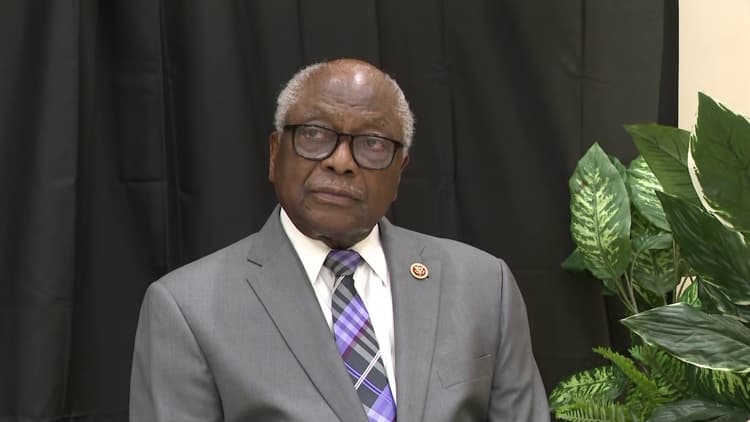
Photo via WCNC Charlotte
The South Carolina State Senate has rejected a proposal to redraw the state's congressional districts, according to WCNC Charlotte. The move came amid pressure from the Trump administration to pursue redistricting ahead of the June primary elections, marking a significant moment in state political deliberations that could influence regional representation for years to come.
Rep. Jim Clyburn, a longtime South Carolina congressman, weighed in on the Senate's decision, offering his perspective on the rejected redistricting effort. Political realignment of this scale typically carries implications for how federal resources and policy priorities flow to different regions, including the Charlotte metropolitan area and surrounding states.
Redistricting decisions affect more than electoral maps—they influence congressional representation on issues critical to business communities, including infrastructure investment, tax policy, and regulatory oversight. The rejection signals potential resistance to rapid political realignment in South Carolina, which shares economic and demographic ties with North Carolina and the greater Southeast.
As the June primary season unfolds, stakeholders across the region will be watching how South Carolina's political landscape develops. Business leaders in Charlotte and the surrounding region should monitor these developments, as shifts in congressional representation could impact future federal policy priorities affecting the Carolinas' economy, workforce development, and business regulation.