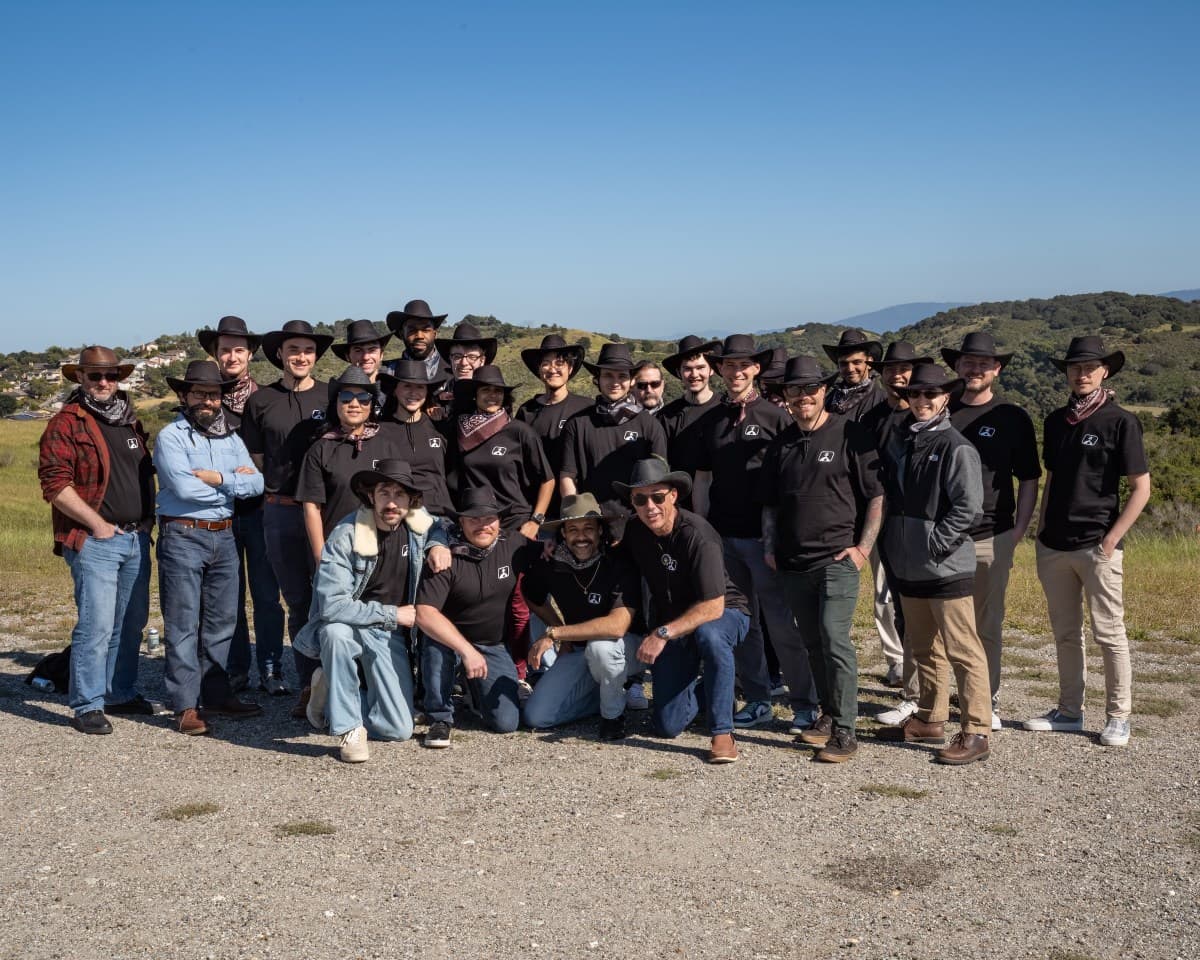
Photo via TechCrunch
The race to meet skyrocketing artificial intelligence compute demands is pushing entrepreneurs to look beyond Earth-bound solutions. According to TechCrunch, Cowboy Space has secured $275 million in funding to develop space-based data centers, reflecting investor confidence in orbital infrastructure as a potential solution to terrestrial capacity constraints.
The core challenge facing space data center operators is fundamental: there simply aren't enough rockets available to launch facilities into orbit, and launch costs remain prohibitively expensive. This bottleneck threatens to limit how quickly the industry can scale, even as major technology companies and AI developers seek additional computing capacity.
For Charlotte's growing technology sector and finance firms increasingly reliant on AI-driven analytics, space-based data centers could eventually offer benefits like reduced latency for specific applications and alternative infrastructure diversification. However, these solutions likely remain years away from commercial viability.
The space data center concept underscores how intensely the demand for AI infrastructure is reshaping technology investment strategies. As traditional data center capacity becomes strained, companies are exploring unconventional solutions—though regulatory, logistical, and economic hurdles will determine whether orbital computing becomes a practical supplement to ground-based infrastructure.