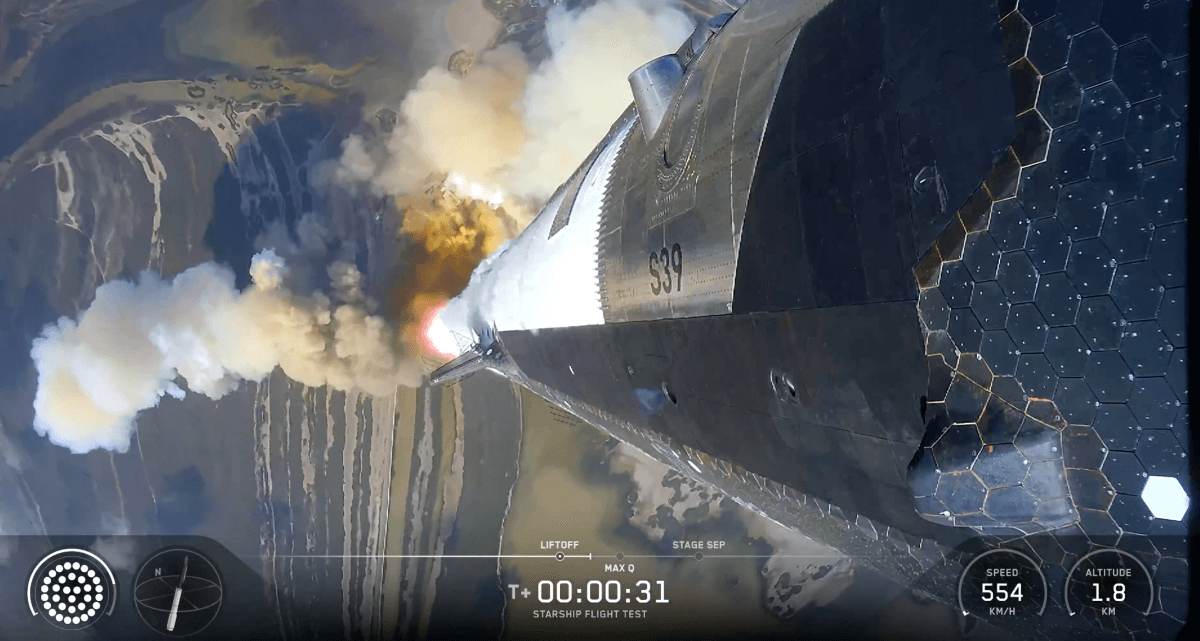
Photo via TechCrunch
SpaceX has achieved a significant milestone with the first flight of its upgraded Starship V3 rocket, according to TechCrunch. The launch represents a critical step forward for the company's next-generation vehicle, which is essential to executing SpaceX's long-term vision for space exploration and commercial operations. While the flight demonstrated key capabilities, the mission was not without setbacks.
The loss of the booster during its return phase highlights the inherent risks in advancing rocket technology. Reusable booster systems are central to SpaceX's strategy for reducing launch costs and increasing flight frequency—factors that could eventually reshape the economics of space-based services and satellite deployment. The failure underscores how even 'mostly successful' missions reveal complexities that engineers must resolve.
For Charlotte-area aerospace suppliers and logistics companies that support space industry operations, SpaceX's continued development cycle creates ongoing demand for specialized components and services. As commercial space activity expands, regional manufacturers increasingly find opportunities in the supply chain supporting companies like SpaceX.
Looking ahead, SpaceX's ambitious goals—from lunar missions to Mars exploration—depend on perfecting Starship's design and operations. Each test flight, successful or not, generates data that accelerates development. For investors and business leaders tracking the space economy's growth, SpaceX's progress remains a bellwether for the broader commercial aerospace sector's trajectory.