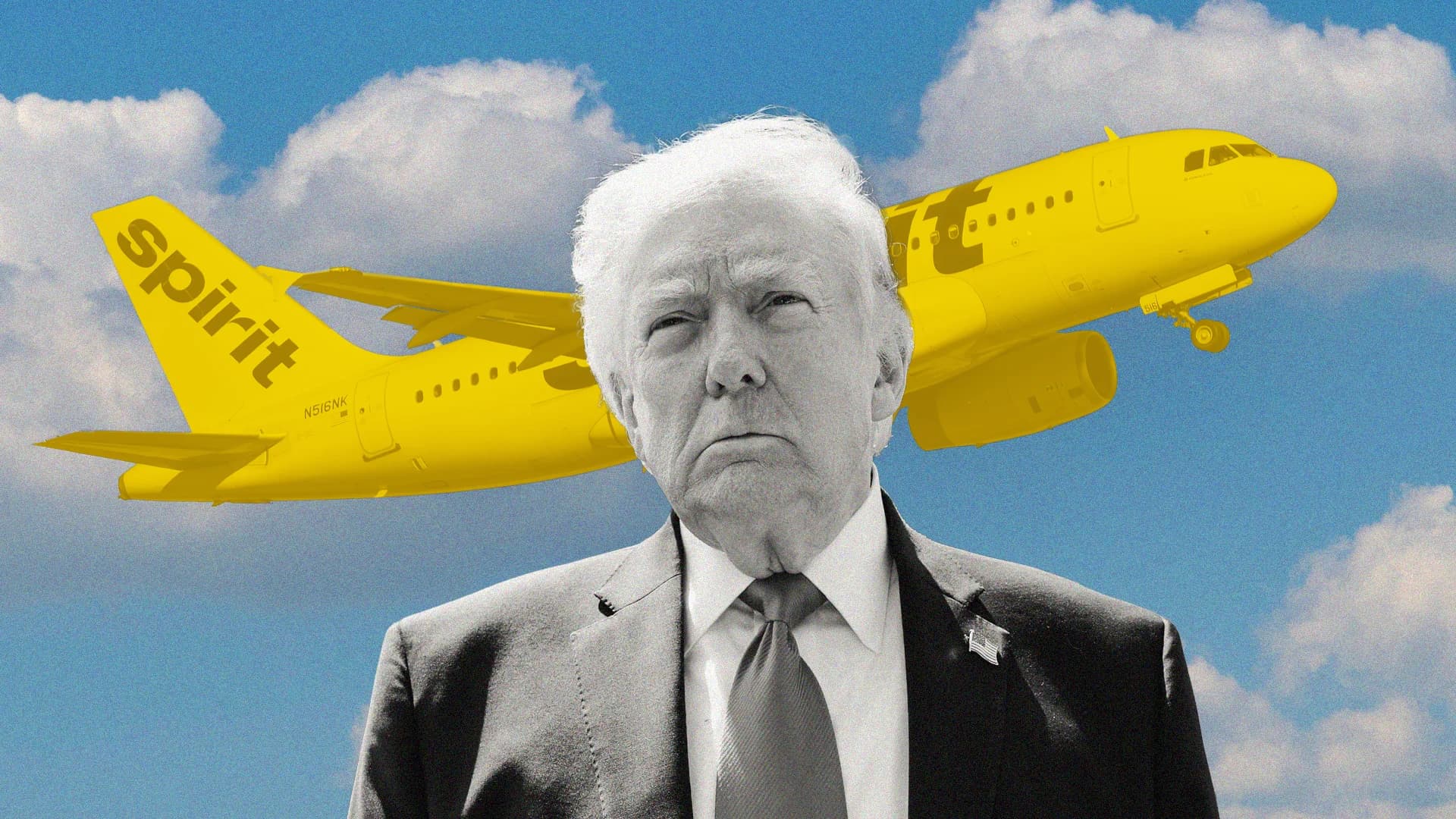
Photo via Inc.
Spirit Airlines, one of the nation's largest ultra-low-cost carriers, is exploring potential government intervention to avoid financial collapse, according to Inc. The struggling airline has reportedly engaged in discussions with White House officials about an equity swap arrangement that could inject much-needed capital and stabilize operations.
For Charlotte businesses reliant on budget travel options and regional connectivity, Spirit's fate carries significance. The carrier has maintained service at CLT and serves as an alternative to legacy carriers, offering cost-conscious travel for business and leisure travelers. A potential government bailout—or restructuring—could reshape pricing dynamics and route availability across the Southeast's aviation landscape.
The proposed equity swap represents an unconventional approach to airline rescue, distinct from traditional government loans or subsidies. Under such an arrangement, the government would take an ownership stake in exchange for financial support, positioning taxpayers as stakeholders in the carrier's recovery and future profitability.
The outcome remains uncertain, but industry observers note that Spirit's potential failure would further concentrate market power among major carriers. For Charlotte's business community, the developments underscore ongoing volatility in the aviation sector and the continued importance of competitive, affordable air transportation to regional economic health.