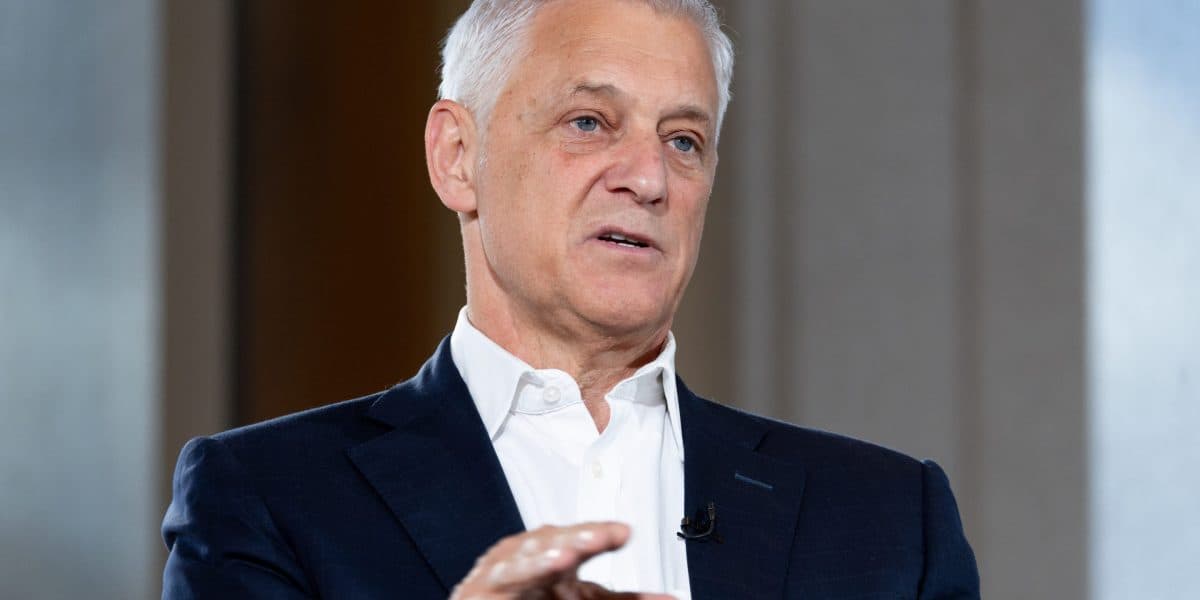
Photo via Fortune
Bill Winters, chief executive of Standard Chartered Bank, has walked back controversial remarks about artificial intelligence's impact on the workforce after facing significant criticism. According to Fortune, Winters initially characterized certain employees as "lower value human capital" that would be displaced by automation, prompting swift industry response and public concern.
The Standard Chartered CEO outlined plans to reduce back-office corporate functions by approximately 15% over the next four years, citing AI-driven efficiency gains. While automation of routine administrative tasks is increasingly common in the financial services industry, Winters' characterization of affected workers drew particular ire for appearing to devalue human contribution to organizational success.
For Charlotte's robust financial services community—home to Bank of America, major regional banks, and countless financial firms—this debate carries real weight. Local finance leaders are grappling with similar automation decisions, and how peers communicate about workforce transitions can set industry tone and shape talent retention strategies across the region.
Winters' apology underscores a broader challenge facing corporate leadership: balancing legitimate operational efficiency with respectful communication about workforce changes. As Charlotte continues to establish itself as a financial hub, the way companies here navigate AI adoption and employee displacement will likely influence both talent attraction and corporate reputation in the competitive marketplace.