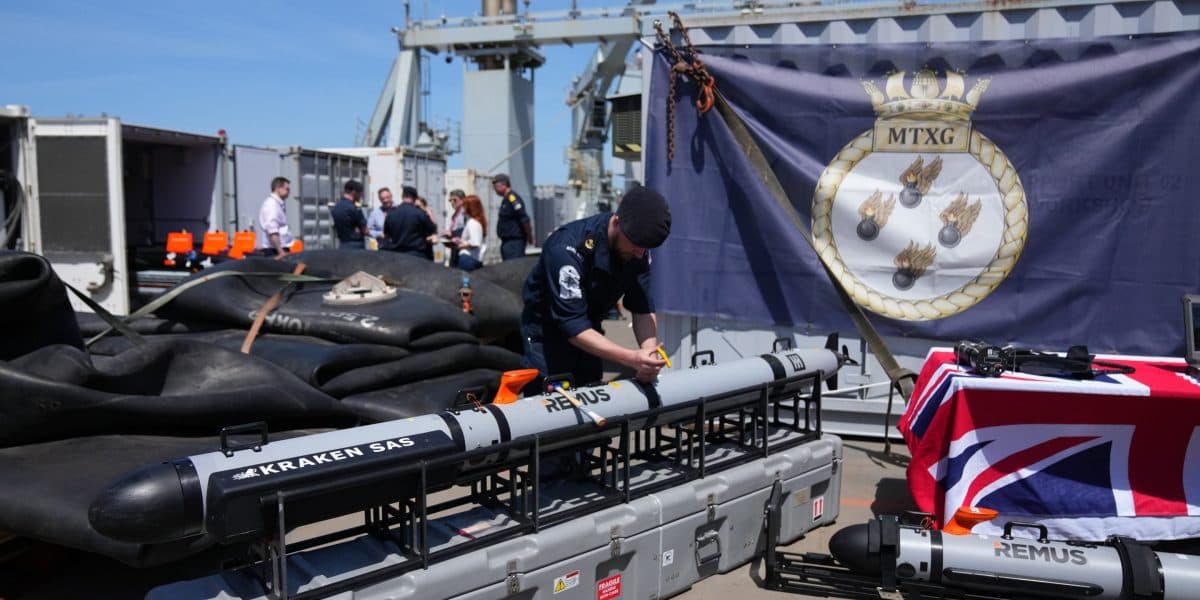
Photo via Fortune
According to Fortune, the United Kingdom is positioning naval assets to potentially clear mines from the Strait of Hormuz, one of the world's most strategically important waterways for international commerce. The RFA Lyme Bay, a British naval vessel, is preparing to depart from Gibraltar and coordinate with the HMS Dragon destroyer and allied naval forces before transiting through the Suez Canal toward the Persian Gulf.
The Strait of Hormuz serves as a critical chokepoint for global energy markets, with roughly one-third of all seaborne oil passing through its narrow channel. Any disruption to shipping lanes in this region can have immediate ripple effects on energy prices and supply chain reliability for businesses worldwide, including manufacturers and logistics operations throughout the Charlotte region.
The British military effort is explicitly conditional on progress toward a U.S.-Iran diplomatic agreement, underscoring the complex relationship between geopolitical stability and maritime security. This contingency reveals the extent to which private sector operations depend on international peace negotiations and military readiness, factors largely beyond corporate control.
For Charlotte-area business leaders monitoring supply chain vulnerabilities, the Strait of Hormuz situation exemplifies why diversified sourcing strategies and contingency planning remain essential. Energy prices, shipping costs, and product availability can shift rapidly based on Middle Eastern tensions, making it prudent for regional companies to assess their exposure to Persian Gulf disruptions.