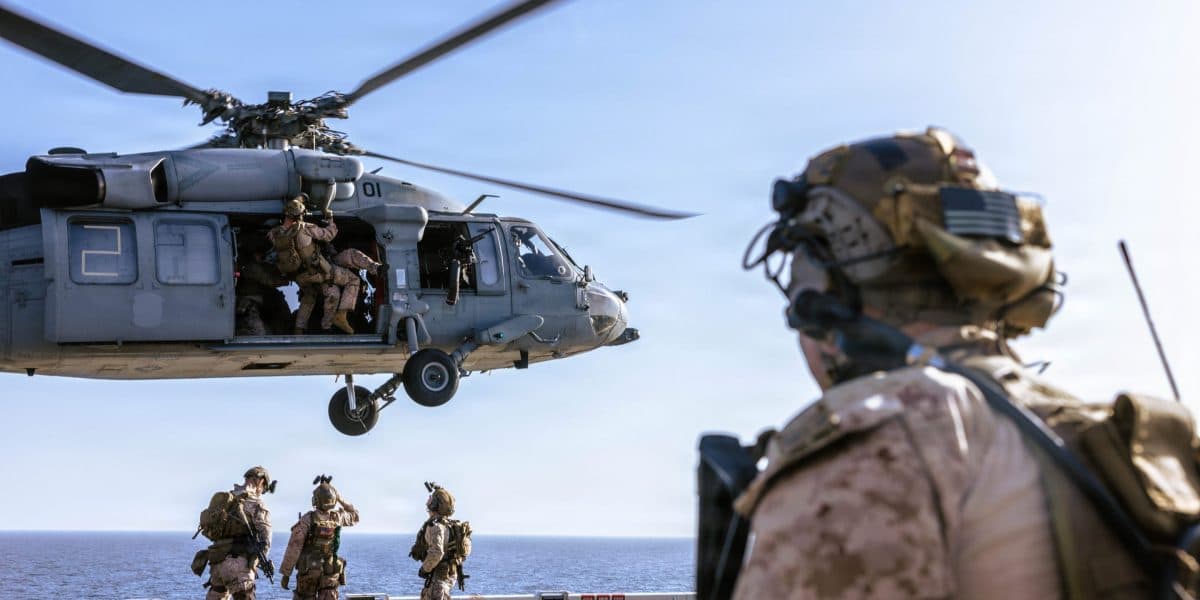
Photo via Fortune
As diplomatic negotiations between the U.S. and Iran progress, concerns are mounting about the security implications for one of the world's most vital commercial corridors. The Strait of Hormuz, which handles roughly one-third of global maritime oil trade, remains a flashpoint for regional tensions. According to Fortune, some policy analysts are raising alarms about how any agreement might affect regional stability and commercial shipping security.
For Charlotte-area companies with supply chain exposure to Middle Eastern operations or energy sector clients, these geopolitical developments carry real business implications. Disruptions to Hormuz shipping could trigger energy price volatility and delay imports of goods that feed into manufacturing and logistics operations throughout the Carolinas. Charlotte's transportation and distribution hub status makes it particularly sensitive to international maritime disruptions.
Skeptics warn against underestimating Iran's regional military capability or assuming that international agreements alone can guarantee safe passage through contested waters. The debate reflects broader uncertainty about how U.S. foreign policy shifts will affect global trade patterns and energy costs—factors that directly influence operational expenses for Charlotte's retail, manufacturing, and logistics sectors.
Local business leaders should monitor ongoing negotiations and their potential impact on fuel prices, import costs, and supply chain reliability. Companies with significant exposure to energy markets or international logistics may want to assess their contingency planning for potential disruptions in one of the world's most strategically important shipping lanes.