Photo via Fortune
Financial markets are responding positively to reports that negotiations to reopen the Strait of Hormuz are progressing, according to Fortune. The strategic waterway, through which a significant portion of global oil shipments pass, has been a point of tension that could disrupt supply chains affecting businesses across the Carolinas. A successful reopening agreement could provide relief to companies dependent on stable energy costs and reliable shipping routes.
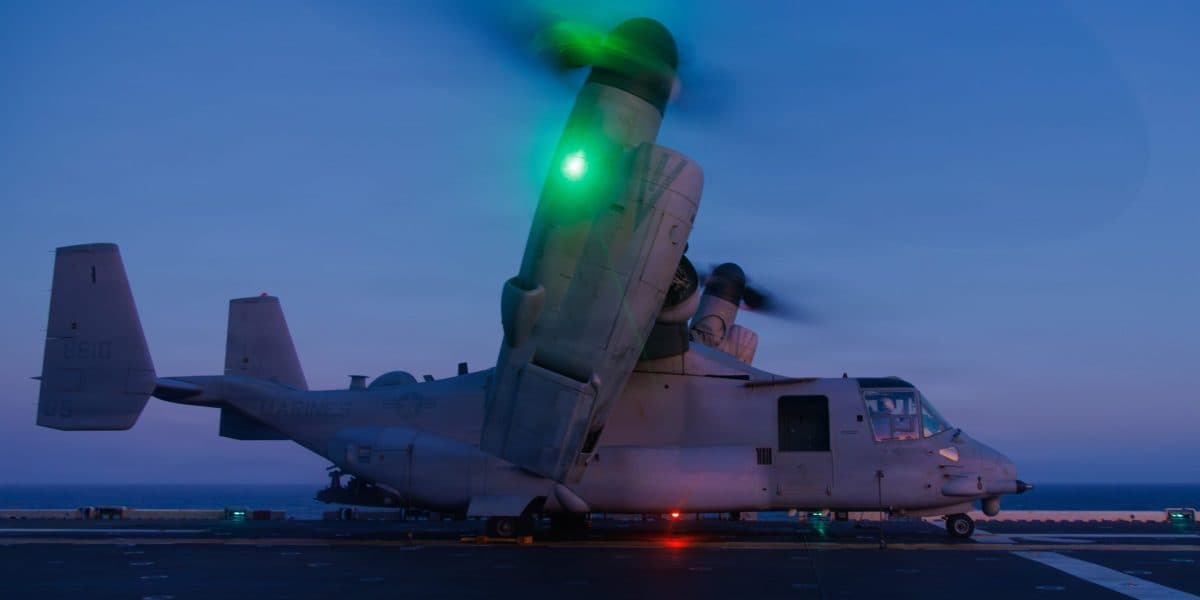
However, recent military developments have complicated the outlook. U.S. forces have conducted defensive operations targeting Iranian missile installations and mine-laying vessels in the region, citing protection of troops and assets from Iranian threats. This escalation underscores the fragile nature of the current situation and the ongoing risks to maritime commerce in one of the world's most critical chokepoints.
For Charlotte-area businesses, particularly those in logistics, manufacturing, and energy-dependent industries, the stakes are considerable. Disruptions to the Strait of Hormuz can ripple through global supply chains, affecting everything from shipping costs to fuel prices. Companies reliant on predictable energy costs and timely international shipments are closely monitoring the situation.
The dual narrative of diplomatic progress coupled with military action suggests continued volatility ahead. Business leaders in the region should monitor developments closely and consider how further escalation—or stabilization—of the Hormuz situation could impact their operations, supply chains, and bottom lines in the coming months.