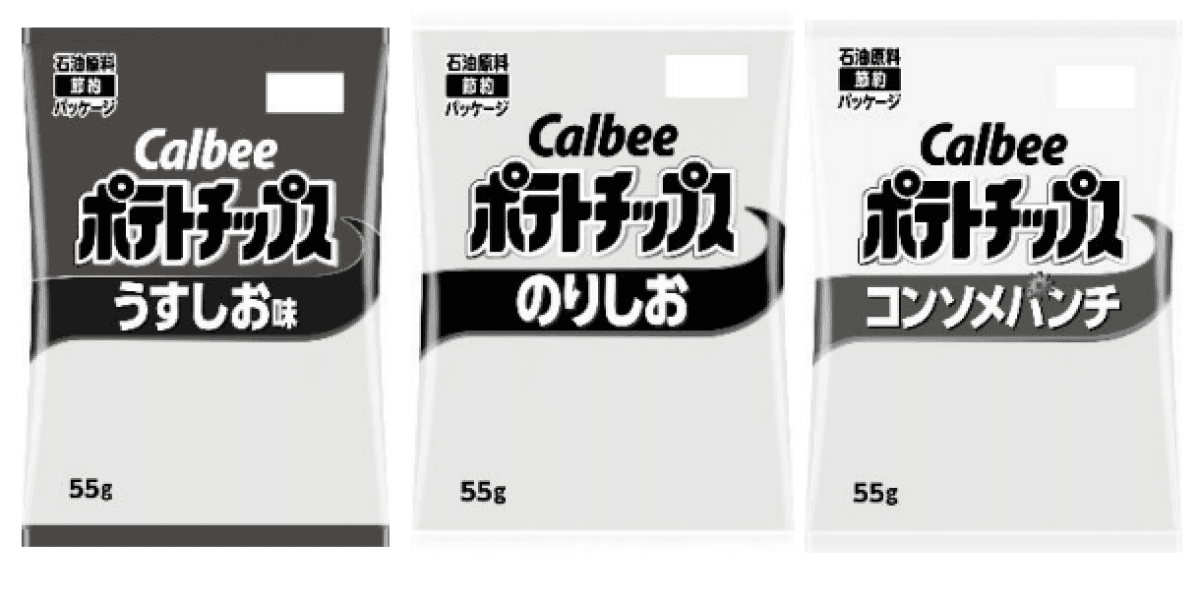
Photo via Fortune
According to Fortune, Japan's snack manufacturing sector is experiencing real consequences from Middle East tensions, with some producers resorting to simplified black-and-white packaging due to ink supply shortages. The underlying issue reflects a broader vulnerability in global supply chains: Japan sources approximately 70% of its naphtha imports—a key petroleum derivative used in printing inks—from the Middle East region.
For Charlotte-area businesses reliant on imported materials or international logistics, this situation underscores the importance of supply chain diversification and contingency planning. Companies across retail, manufacturing, and distribution sectors should evaluate their dependencies on single-region suppliers and consider developing secondary sourcing relationships to mitigate similar disruptions.
The ink shortage demonstrates how geopolitical events can quickly cascade through multiple industries. When petroleum-derived materials become constrained, manufacturers must choose between accepting higher costs, reducing product quality, or modifying operations—as Japanese snack companies have done. This pattern typically leads to increased consumer prices as producers pass along costs.
For Charlotte businesses with global supply chains, this situation serves as a practical reminder to audit vendor relationships and geographic exposure. Companies should consider working with supply chain consultants to identify vulnerabilities and develop resilience strategies before the next disruption occurs.