Photo via FreightWaves
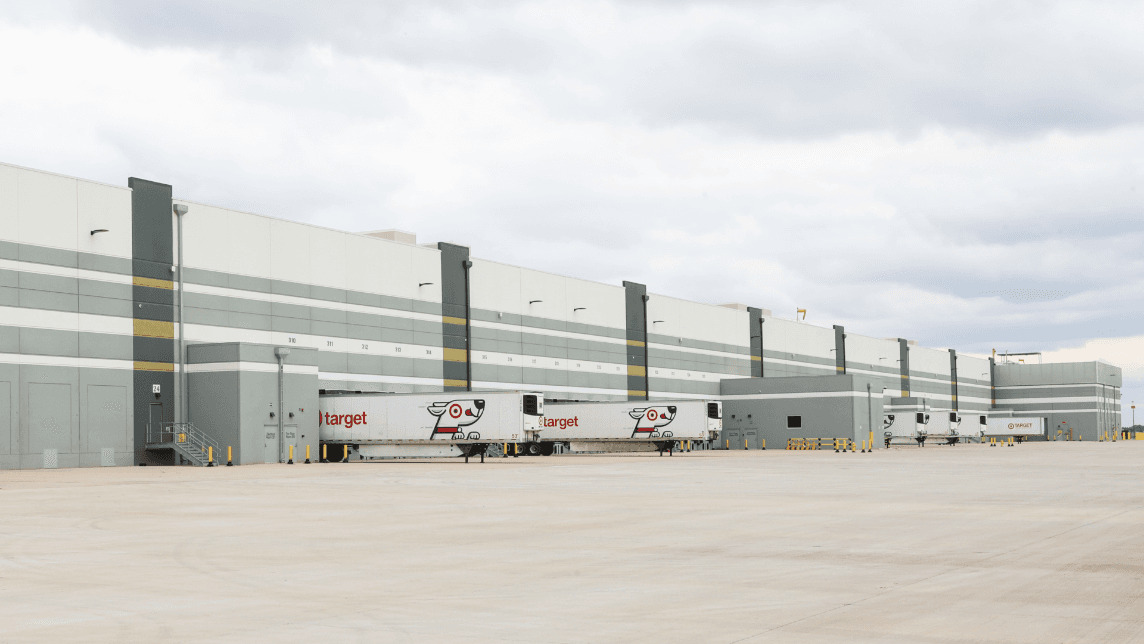
Target is making a significant bet on food logistics with the opening of a $367 million distribution center in Colorado, according to FreightWaves. The facility represents a strategic move to strengthen the retailer's grocery supply chain and expand food offerings across its stores, reflecting the company's commitment to competing in the grocery sector alongside traditional supermarkets.
For Charlotte's logistics and real estate sectors, Target's investment underscores a broader trend of major retailers upgrading their supply chain infrastructure. The region has seen similar investments from major retailers seeking to optimize distribution networks and reduce delivery times, making warehousing and logistics expertise increasingly valuable in the local market.
The move also highlights how national retailers are rethinking food distribution in the post-pandemic era. By building dedicated food distribution centers, companies like Target can better manage temperature-controlled environments, improve freshness, and scale their grocery business more efficiently—factors that matter to investors and supply chain professionals across the country.
As retailers continue to invest heavily in logistics infrastructure, Charlotte businesses should note the competitive pressures driving these investments. Companies in the distribution, warehousing, and supply chain management sectors may find growing opportunities as major national retailers like Target build out regional capabilities to serve their stores more effectively.