Photo via Fortune
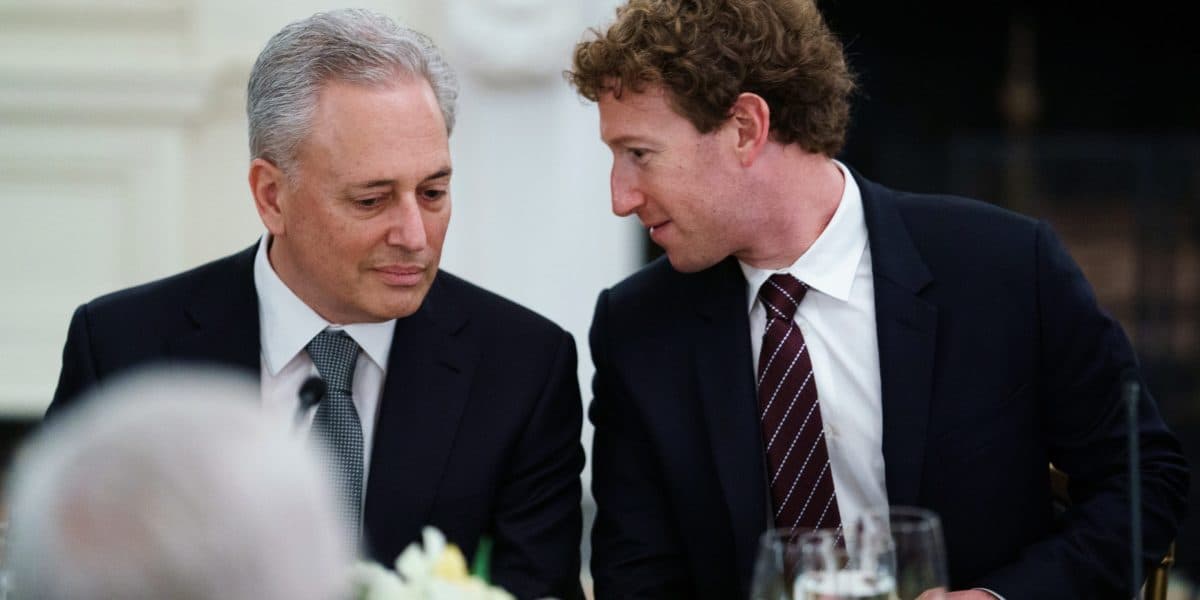
According to Fortune, tech industry leaders including Elon Musk, Mark Zuckerberg, and former AI czar David Sacks successfully lobbied President Trump to abandon plans for a new artificial intelligence executive order. The move reflects the ongoing tension between Silicon Valley's preference for light-touch regulation and broader political pressure for government oversight of emerging technologies.
The decision marks a significant win for the tech billionaire cohort, who have consistently advocated for industry self-regulation rather than federal mandates. However, the consensus isn't universal across Trump's political coalition, with a substantial portion of MAGA-aligned politicians and supporters favoring more robust AI regulation and safety measures.
For Charlotte's growing tech ecosystem—including companies in financial services, healthcare, and software development—the regulatory landscape remains fluid. Local businesses investing in AI applications should monitor federal policy shifts, as executive orders and Congressional action could impact compliance costs and competitive advantage in coming months.
The debate reflects a broader challenge: balancing innovation incentives against public safety concerns. As AI capabilities accelerate, the question of who sets guardrails—industry leaders or government—will likely intensify, affecting investment decisions and hiring patterns across the Triangle region and beyond.