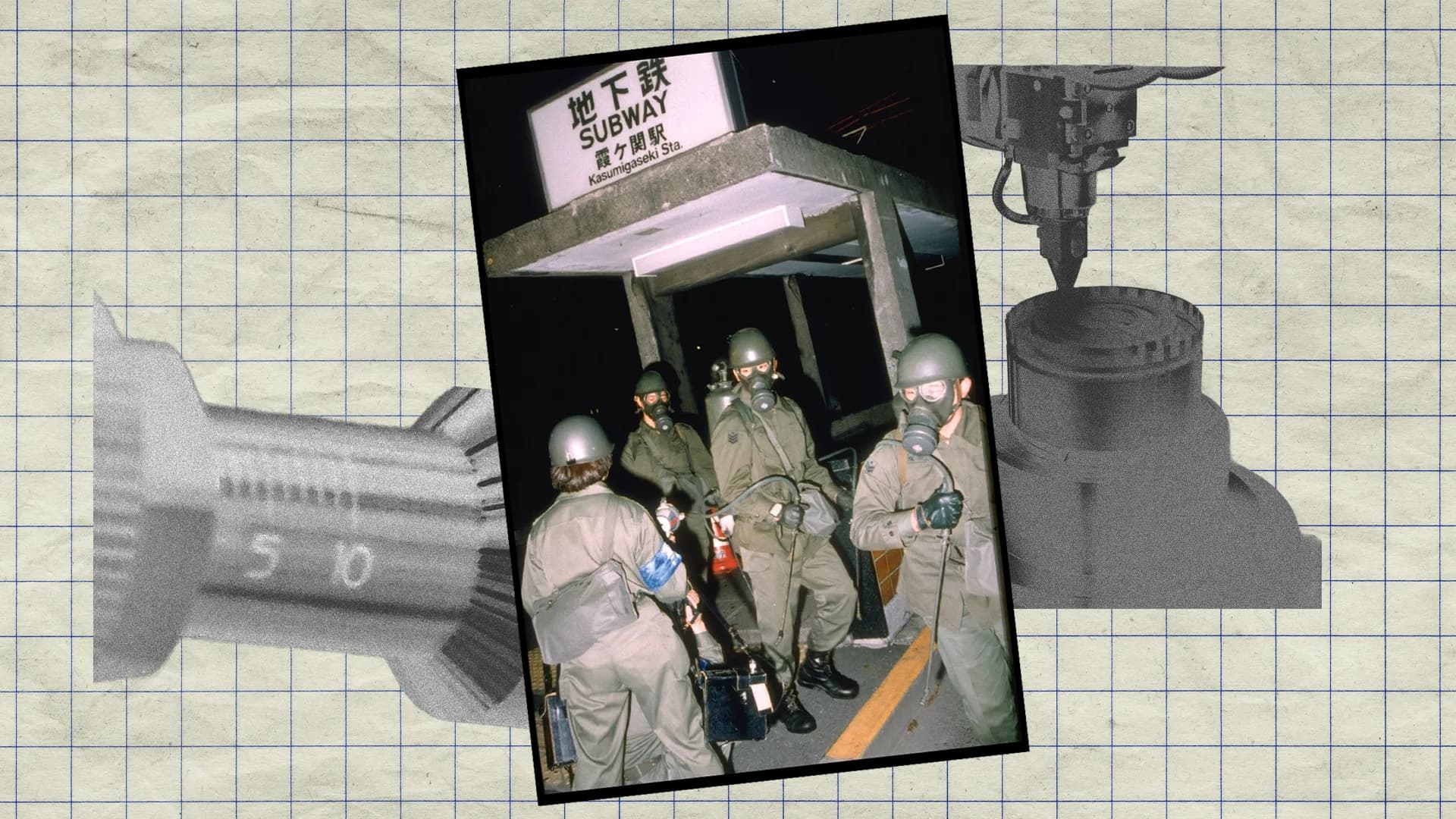
Photo via Inc.
In 1995, authorities uncovered that members of a Japanese doomsday cult responsible for a deadly sarin gas attack in Tokyo's subway system had attempted to purchase a $400,000 laser system from a Silicon Valley manufacturer. According to Inc., the discovery highlighted a significant gap in how technology companies screened their customers and understood the end-use of their products—a concern that remains relevant today for manufacturers and suppliers across industries.
The incident serves as a cautionary tale for technology firms, particularly those in the Charlotte region that manufacture or distribute specialized equipment. Companies selling high-value industrial systems, from lasers to precision instruments, face an implicit responsibility to understand who their customers are and what they intend to do with their purchases. This case demonstrates how sophisticated bad actors can approach legitimate businesses through standard commercial channels.
For Charlotte-area tech companies and their legal teams, the episode underscores the importance of developing robust customer due diligence protocols. Implementing verification procedures, researching buyer backgrounds, and asking pointed questions about intended applications can help firms avoid becoming unwitting participants in dangerous schemes. The cost of such vetting is minimal compared to the reputational and legal risks of misuse.
Today's technology industry has evolved significantly with compliance frameworks and export controls. However, the fundamental principle remains: responsible companies must think critically about their customer base. For growth-focused Charlotte tech firms, investing in compliance infrastructure and supply chain transparency isn't just good ethics—it's sound business practice that protects reputation and stakeholder trust.