Photo via Fast Company
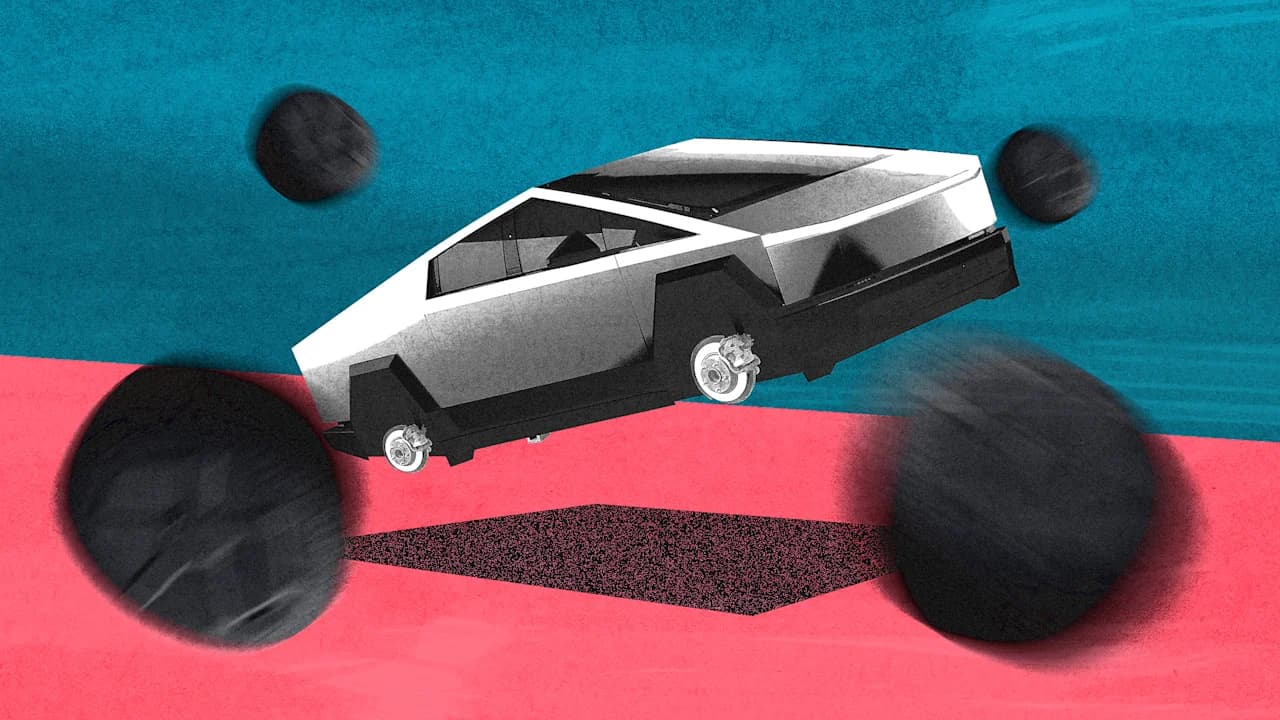
Tesla has issued a recall for 173 Cybertrucks equipped with 18-inch steel wheels after discovering that brake rotor stud holes can crack under stress from rough roads and hard cornering, potentially causing wheels to separate from the vehicle while in motion. According to the recall notice, affected vehicles were built between March 21, 2024, and November 25, 2025. Tesla will replace the affected brake rotors, hubs, and lug nuts at no charge, with owner notification letters expected by early July 2026. The incident exemplifies a troubling pattern: this is just the latest in a series of recalls dating back to the vehicle's launch.
The Cybertruck has faced an extraordinary string of quality control problems since its debut in late 2023. Previous recalls have involved stuck accelerator pedals, failing windshield wipers, loose exterior trim that flies off at highway speeds, and critically, a frunk that can sever fingers due to missing anti-pinch sensors. Additionally, owners have reported rust on the allegedly stainless-steel body, misaligned doors, critical steering errors, and an autopilot system prone to sudden, dangerous braking. According to Fast Company's analysis, the truck has been recalled at least nine times in roughly 2.5 years of production.
Sales have cratered as quality concerns mounted. Tesla originally projected 250,000 to 500,000 annual Cybertruck sales, but delivered only 38,965 units in 2024—roughly 15% of the lower forecast. By 2025, sales plummeted to 20,237 units, marking the steepest year-over-year decline among U.S. electric vehicles. Even more troubling: registration data reveals that Elon Musk's own SpaceX purchased 1,279 Cybertrucks in the fourth quarter of 2025 alone, representing 18% of all U.S. registrations that quarter. Without purchases from Musk-affiliated companies, Q4 registrations would have dropped 51% year-over-year.
For Charlotte-area business leaders and investors, the Cybertruck's trajectory offers instructive lessons in market execution risk and the dangers of overpromising on product capabilities. The vehicle's $60,990 starting price—more than 50% higher than the initially promised $39,900—combined with persistent quality issues, underscores how engineering ambitions can outpace manufacturing reality. As Tesla navigates these challenges, observers are questioning whether the company can recover buyer confidence in a market increasingly crowded with competing electric truck offerings from traditional automakers.