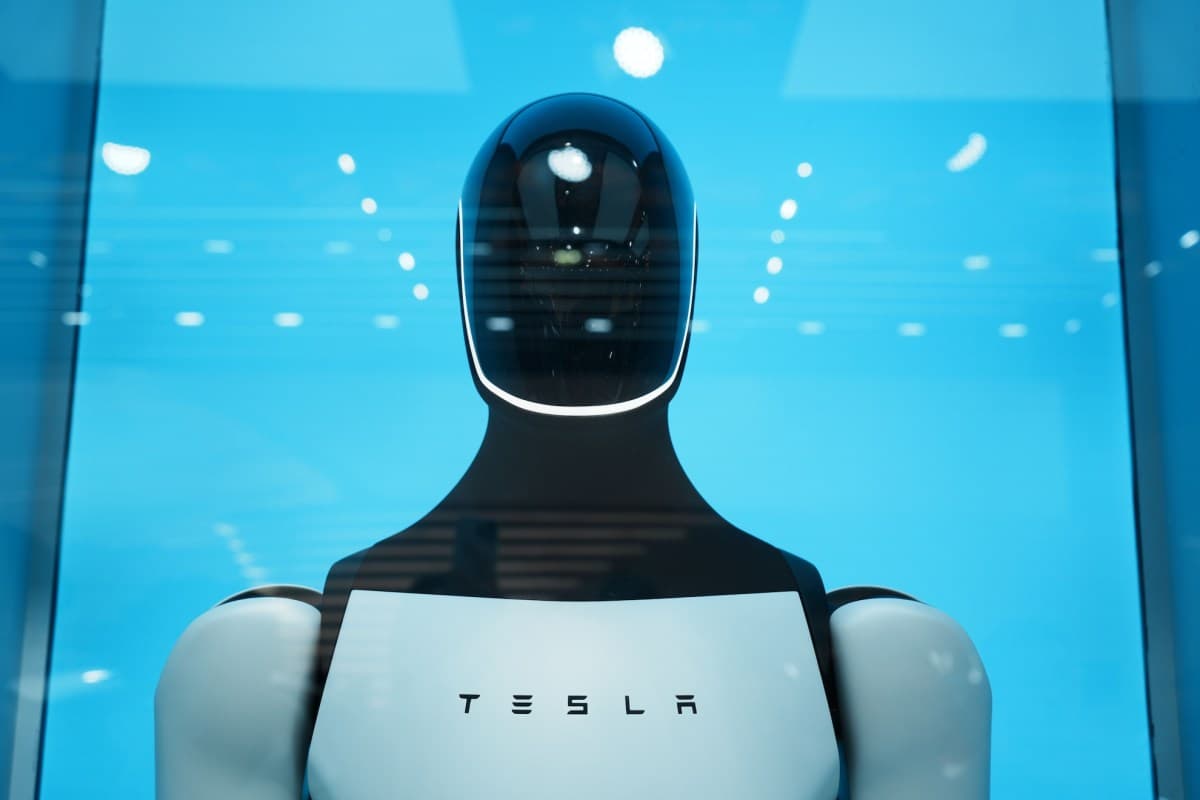
Photo via TechCrunch
Tesla has announced a significant increase in its capital expenditure budget, raising planned spending to $25 billion for 2026—a figure that represents roughly three times the company's historical annual investment levels. According to reporting from TechCrunch, this dramatic shift signals Tesla's commitment to major infrastructure projects and manufacturing expansion, though it comes with notable financial trade-offs for shareholders.
The company's chief financial officer acknowledged that this elevated spending plan will result in negative free cash flow during the remainder of the year. This cash-intensive strategy represents a deliberate choice by Tesla's leadership to prioritize long-term growth and capacity expansion over near-term profitability metrics, a decision that could shape investor sentiment and market valuations in the technology and automotive sectors.
For Charlotte-area businesses and investors with exposure to the automotive supply chain or energy infrastructure markets, Tesla's expanded capex plan carries strategic implications. The company's investment priorities could influence demand for specialized manufacturing equipment, construction services, and materials sourcing—sectors where local and regional companies may compete for opportunities.
As Tesla executes this aggressive capital deployment strategy, market observers will be watching closely to assess whether the company's ability to generate returns on these investments justifies the near-term cash flow pressures. The outcome could reshape competitive dynamics across electric vehicle manufacturing and energy storage sectors for years to come.