Photo via FreightWaves
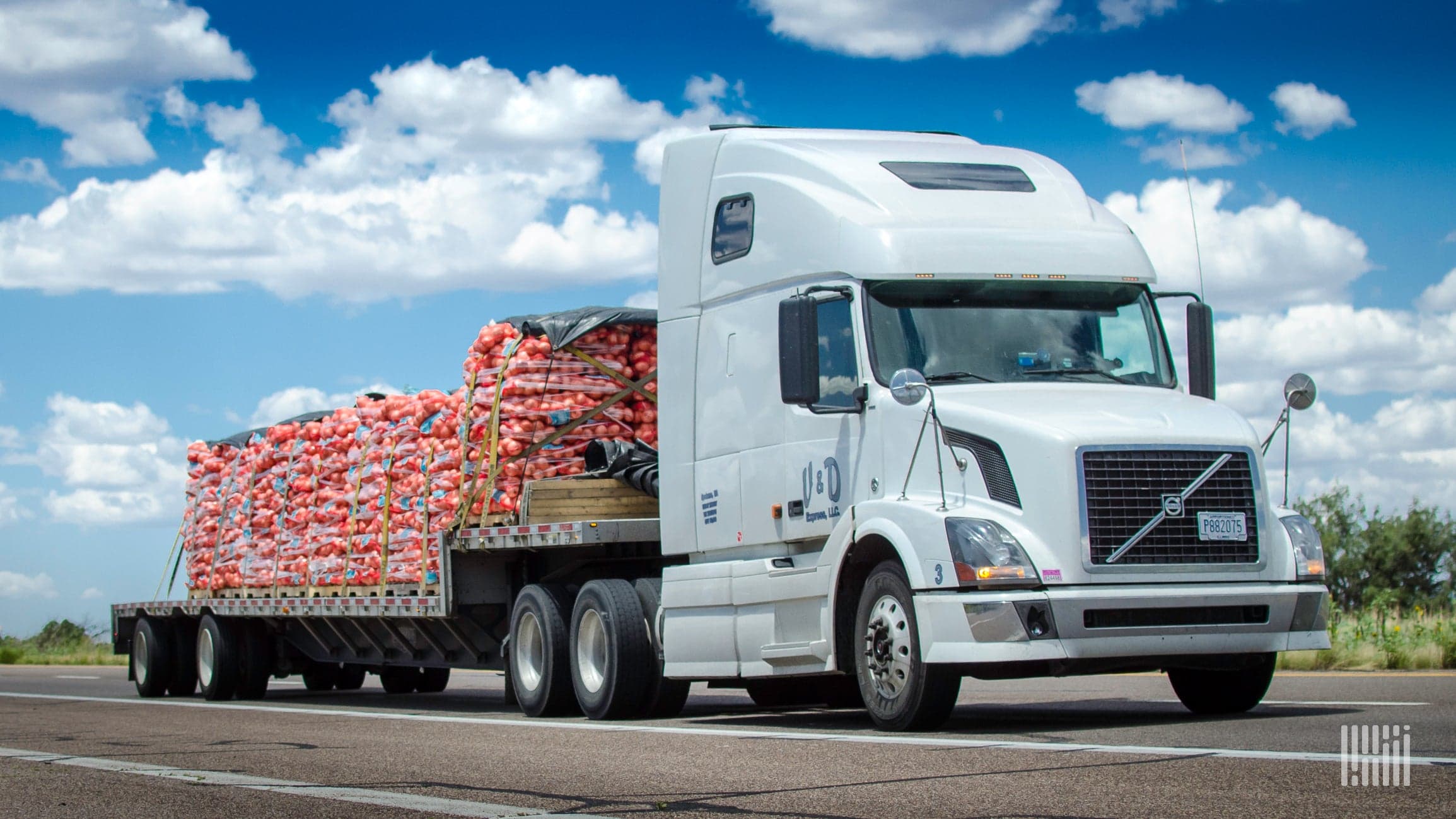
Texas has reversed a previous restriction on commercial driver licenses (CDLs) for temporary farm workers, now resuming issuance of non-domiciled CDL licenses to legally authorized foreign workers. According to FreightWaves, this policy adjustment addresses longstanding labor challenges in the agricultural sector and could have ripple effects across the supply chain.
The move comes as agriculture-dependent states grapple with persistent driver shortages that impact everything from crop transportation to livestock logistics. By expanding CDL eligibility to qualified temporary workers, Texas aims to fill critical gaps in its commercial transportation workforce, particularly in rural areas where staffing has become increasingly difficult.
For Charlotte-area logistics and agricultural businesses, this development signals potential shifts in workforce availability and regional competition for drivers. Companies operating across Southeast agricultural corridors may see increased mobility of talent and capacity as neighboring states' policies evolve, affecting recruitment and operational planning.
The policy underscores the broader tension between immigration restrictions and practical labor needs in transportation-dependent industries. As states continue experimenting with CDL licensing approaches, companies relying on regional supply chains should monitor how these regulatory changes affect driver availability, freight costs, and operational efficiency across the Southeast.