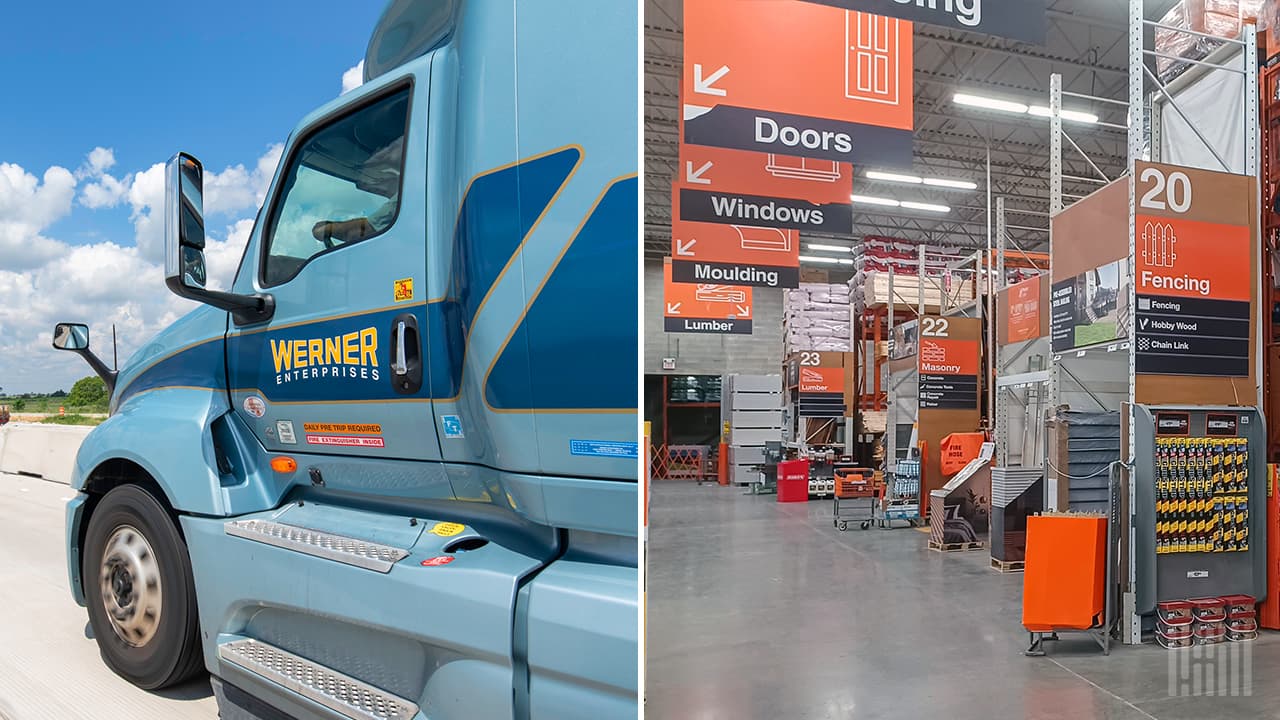
Photo via FreightWaves
The Texas Supreme Court has issued a significant ruling that narrows the scope of shipper liability in freight disputes, according to FreightWaves. The decision in the Home Depot and Werner case is expected to influence how shipping responsibilities are interpreted in commercial transportation agreements going forward.
For Charlotte-area businesses reliant on regional logistics networks, this ruling could have meaningful implications for supply chain management and insurance considerations. Companies managing freight operations or negotiating shipping contracts may need to reassess their liability provisions in light of this judicial guidance.
The decision arrives amid broader industry discussions about the allocation of risk between shippers and carriers. By limiting shipper liability in this case, the court has provided clarity on contractual obligations, which could reduce uncertainty in freight negotiations across multiple sectors including retail, manufacturing, and distribution.
Logistics professionals and supply chain managers in the Charlotte region should monitor how this precedent influences carrier agreements and insurance policies. As the transportation and warehousing industries continue to grow in the Southeast, understanding these liability boundaries becomes increasingly important for companies managing complex distribution networks.