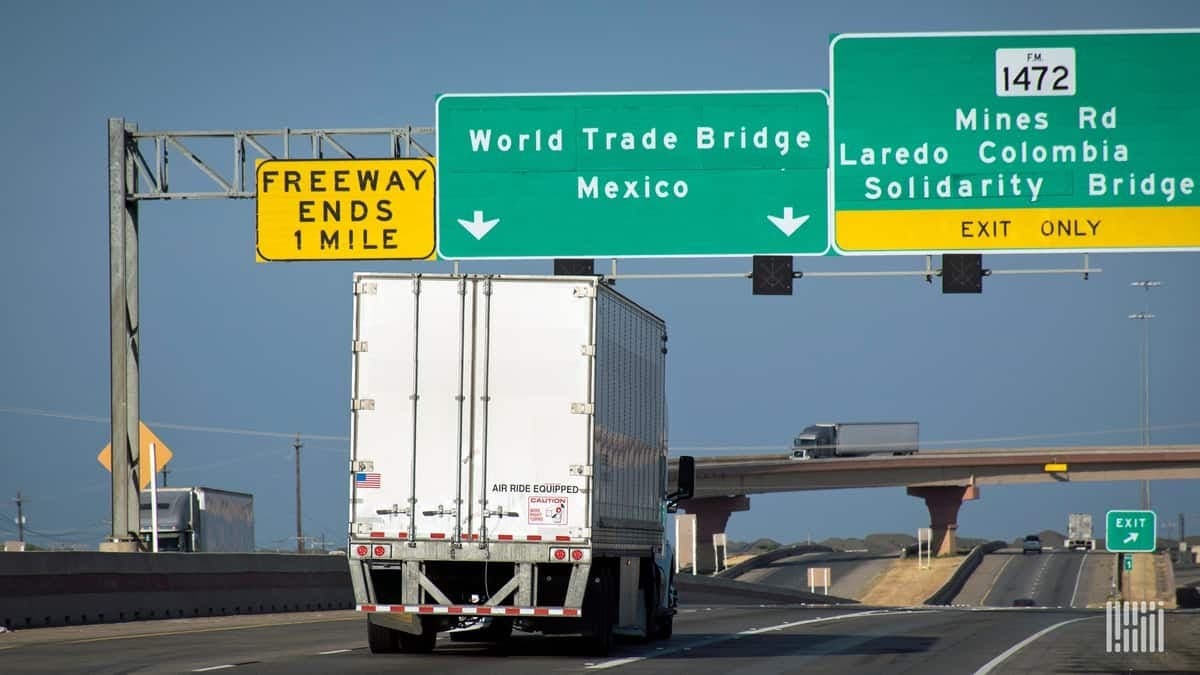
Photo via FreightWaves
The Texas Supreme Court has issued a significant ruling that may reshape liability expectations in the trucking and logistics industry. According to FreightWaves, the court determined in May 2026 that shippers cannot automatically be held liable for accidents involving carriers transporting their goods, even in fatal incidents. The decision in In re Home Depot U.S.A., Inc. involved a motorcycle crash with a Werner truck and establishes clearer boundaries around shipper responsibility.
For Charlotte-area businesses engaged in retail, distribution, and e-commerce—industries that depend heavily on trucking partners—this ruling offers important legal clarity. Companies like those in the Queen City's growing logistics hub now have a clearer understanding of their potential exposure when accidents occur during transportation. The decision suggests that liability must be more directly linked to shipper conduct rather than simply the act of shipping goods.
The implications extend beyond Texas borders, as major retailers and distributors operating nationally often look to major court decisions when establishing risk management policies. Charlotte's position as a Southeast logistics center means local warehouse operators, freight brokers, and supply chain managers should monitor how this precedent influences industry practices and insurance requirements across the region.
Business leaders in Charlotte should consult with legal counsel to understand how this Texas ruling may affect their current shipping agreements, insurance coverage, and liability frameworks. As the logistics industry continues to evolve, staying informed on key court decisions helps companies better manage risk and maintain appropriate protections for their operations.