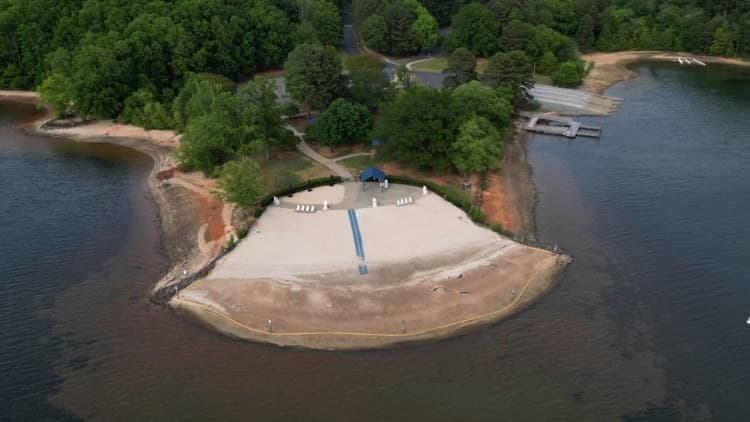
Photo via Inc.
A substantial real estate market segment has emerged as a dominant force in construction worldwide, according to reporting from Inc. This trend represents approximately $2 trillion in economic activity and is fundamentally altering how developers, investors, and occupants approach property development and usage. The shift reflects changing priorities in how communities and businesses envision their built environments.
For Charlotte-area real estate professionals and investors, understanding this trend is critical as local markets increasingly align with national and global patterns. The Queen City's robust construction sector—from uptown office towers to suburban mixed-use developments—is not immune to these broader market forces. Local developers and commercial real estate firms are adapting their strategies to remain competitive and responsive to evolving market demands.
The implications extend across multiple property types and geographies. Whether affecting office parks, residential communities, or industrial facilities, this trend influences site selection, financing decisions, and long-term asset valuations. Charlotte's position as a growing financial and business hub means local stakeholders must stay informed about these market-shaping developments.
Real estate professionals, investors, and corporate occupants in the Charlotte region should monitor how this trend continues to unfold. Early awareness and strategic adaptation could determine competitive advantage in an increasingly dynamic market. Industry experts recommend consulting with local market specialists to understand specific applications and opportunities within Mecklenburg County and surrounding areas.