Photo via Fast Company
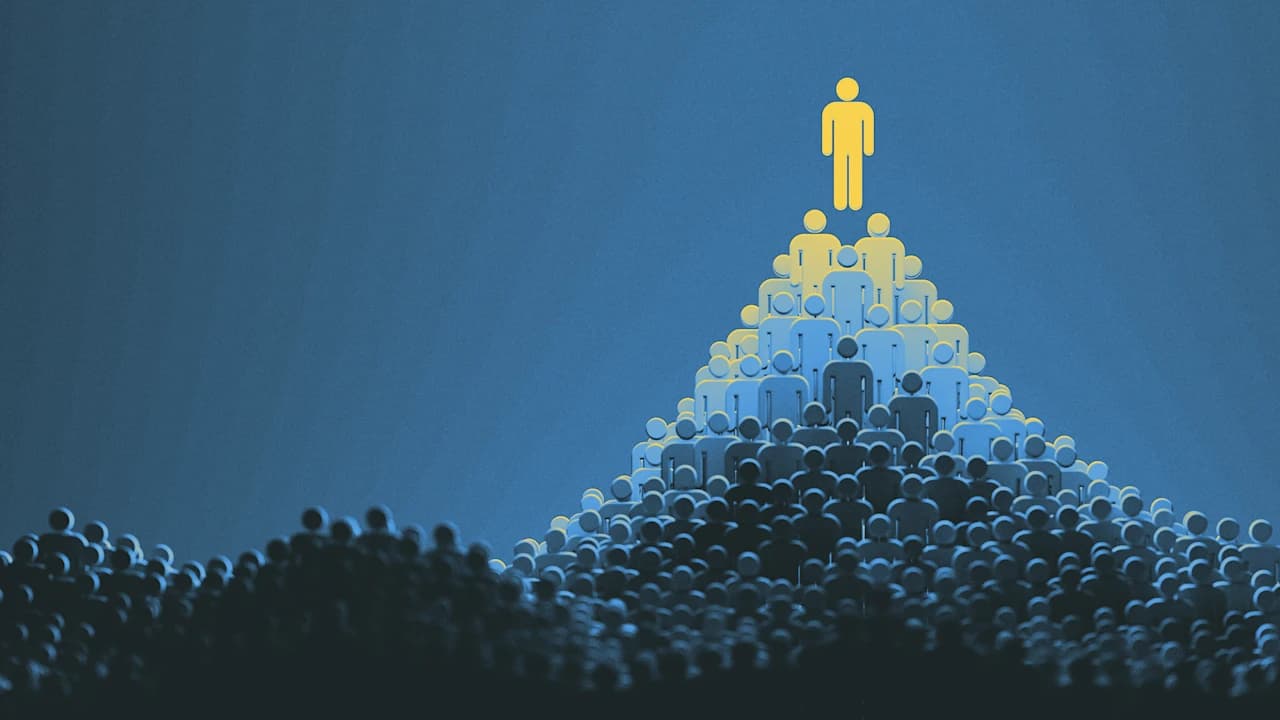
High-growth companies across the Charlotte region are discovering an uncomfortable paradox: the tools making teams faster are simultaneously pushing leaders further from their people. According to Fast Company, as organizations increasingly rely on asynchronous communication and AI-generated summaries, they risk conflating data visibility with genuine human connection. For Charlotte's expanding tech sector and mid-market firms scaling rapidly, this distinction carries real operational consequences.
The problem emerges quietly. Leaders access dashboards and summaries that show what work is being completed, but lack insight into the context, reasoning, and morale behind that work. A CEO managing a company of over 100 people explained that strong documentation and async updates kept teams informed but not always aligned—resulting in rework that ultimately slowed momentum. For Charlotte business leaders managing distributed or hybrid teams, this misalignment risk is particularly acute when decisions need real-time calibration.
The solution requires intentional structural design. Rather than treating connection as something to "fit in" when schedules allow, leaders must build it into operational infrastructure through regular one-on-one meetings, structured cross-functional working sessions, and deliberate visibility across organizational layers. These recurring conversations become less like interruptions and more like essential guardrails that prevent small priority gaps from cascading into larger operational problems.
As Charlotte companies scale, leadership demands more than driving outcomes—it demands actively protecting the clarity and trust that make outcomes possible. AI can accelerate work and sharpen capabilities, but it cannot detect when confidence is eroding, when a team is silently stuck, or when human intuition signals trouble ahead. Leaders must decide that staying connected to their teams is a non-negotiable job responsibility, not a luxury fitting neatly into free time that never comes.