Photo via Fortune
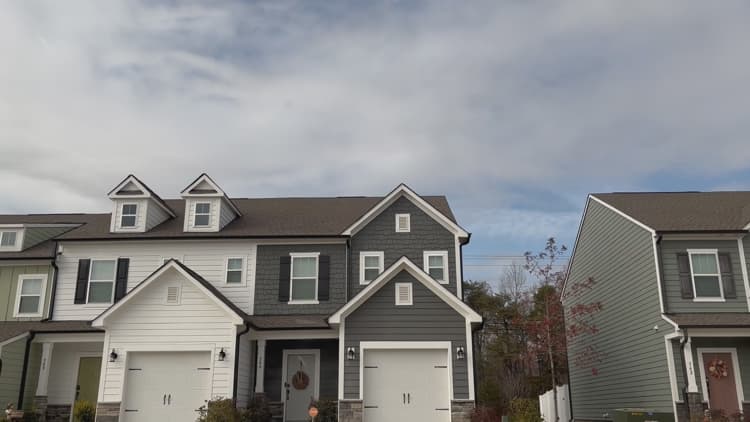
According to Fortune, ultrawealthy individuals across the country are increasingly treating public visibility as a business risk, prompting a shift in how they approach luxury real estate purchases. Rather than allowing their names to appear on property records, these high-net-worth individuals are employing legal strategies to obscure ownership details. This trend reflects a broader mindset change among the ultra-rich, who view privacy not as a luxury but as a necessity in an age of digital transparency.
The mechanics of these "stealth wealth" transactions typically involve using shell companies, trusts, or corporate entities to purchase properties on their behalf. This approach allows buyers to keep their names off public records while maintaining legal ownership and control. For Charlotte's real estate market, where high-profile transactions among executives and entrepreneurs frequently make local news, this trend could signal emerging demand for similar privacy-focused transaction structures among regional business leaders.
Real estate professionals and attorneys specializing in these transactions argue that privacy protections serve legitimate purposes beyond mere secrecy—protecting personal safety, avoiding unwanted solicitation, and maintaining negotiating leverage in competitive luxury markets. However, the proliferation of anonymous ownership structures raises questions about transparency in property markets and potential implications for tax assessment and community development planning.
As wealth concentration continues to grow in major metros and secondary markets like Charlotte, industry experts suggest that real estate attorneys and title companies should expect increasing inquiries about privacy-focused purchase strategies. This shift underscores the evolving intersection of wealth management, real estate law, and personal security concerns among Charlotte's affluent business community.