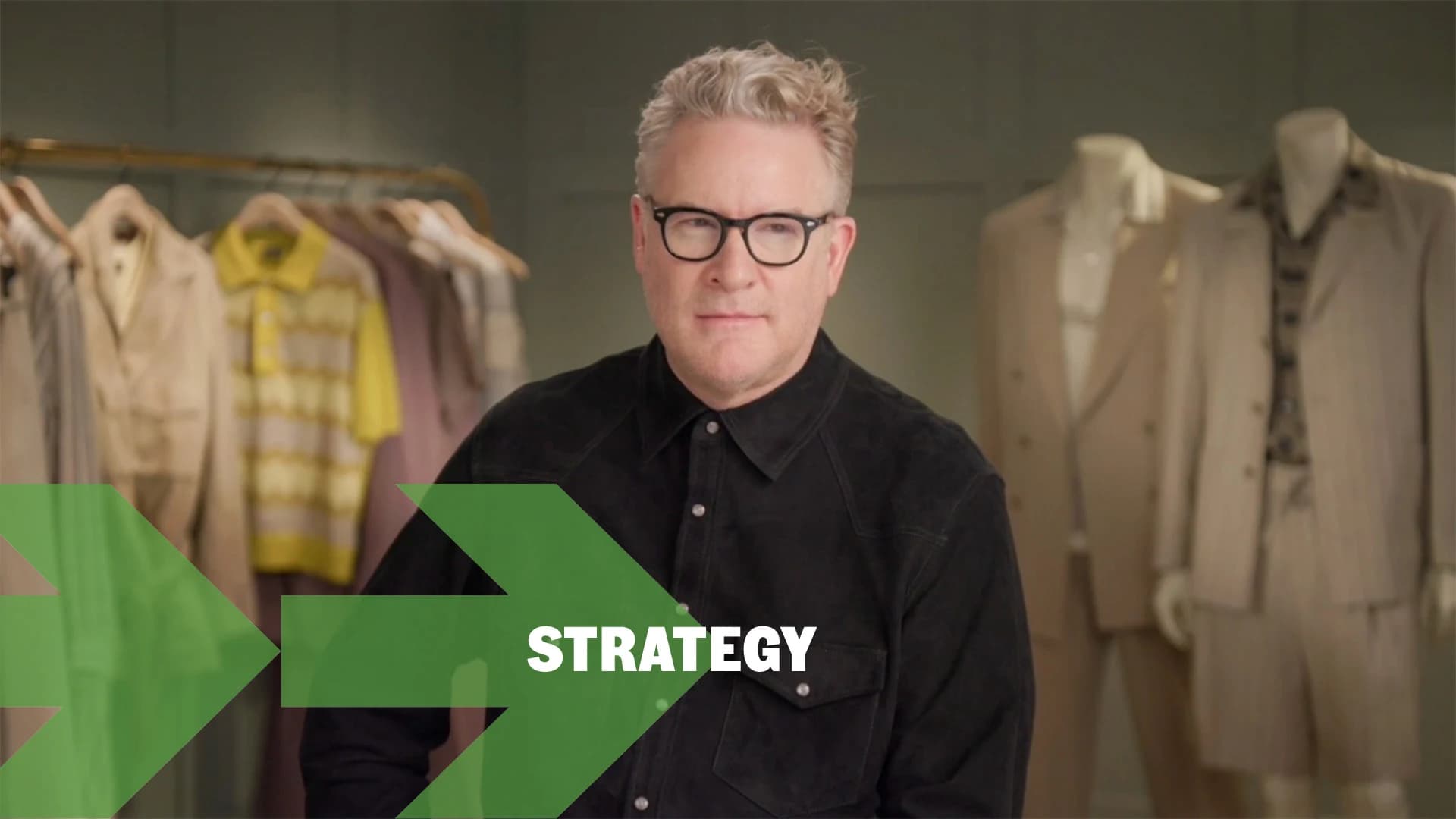
Photo via Inc.
Todd Snyder, founder of his eponymous menswear brand, built his business on a foundational principle that many retailers overlook: the customer experience is not a department—it's the brand itself. According to Inc., Snyder's strategic vision has centered on maintaining control over how customers interact with his company at every stage, from initial discovery through post-purchase engagement. For Charlotte-area retail operators, this approach offers a blueprint for differentiation in an increasingly crowded marketplace.
By refusing to outsource critical customer touchpoints, Snyder ensures consistency in messaging, quality, and service that reflect his brand values. This vertical integration of experience extends beyond the product itself to include everything from website design and customer service interactions to physical retail environments and social media engagement. Charlotte retailers competing against national chains and e-commerce platforms can apply similar principles by auditing which customer interactions directly influence brand perception and which merit direct investment.
The strategy carries both opportunity and risk. Maintaining control requires significant operational investment and managerial attention—resources that growing companies must carefully allocate. However, when executed well, this approach creates emotional loyalty that transcends price-based competition. Local Charlotte brands that have successfully implemented customer-centric models demonstrate how this philosophy can drive sustainable growth and premium positioning in their respective markets.
For entrepreneurs and established retailers in the Charlotte region, Snyder's framework suggests that outsourcing convenience often comes at the cost of brand integrity. As e-commerce continues reshaping retail landscapes, the ability to deliver distinctive, controlled customer experiences may prove increasingly valuable. Businesses willing to invest in understanding and optimizing their customer journey—rather than delegating it—position themselves to build the kind of lasting brand equity that survives market disruption.