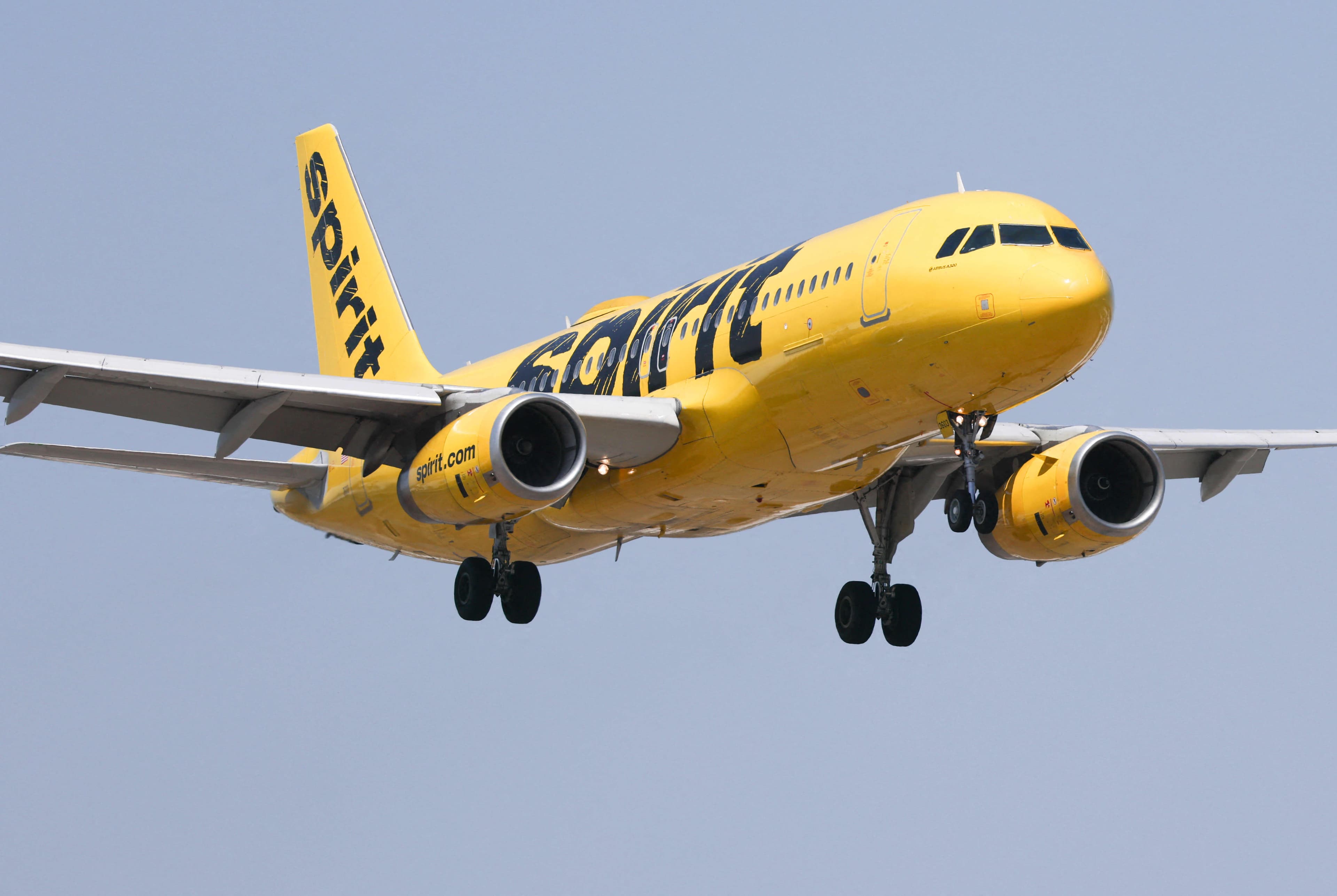
Photo via CNBC Business
The Trump administration is reportedly in advanced negotiations to provide financial assistance to Spirit Airlines, the budget carrier that has faced mounting operational challenges and financial pressures. According to CNBC, discussions are underway to structure a rescue package that could stabilize the struggling airline, which operates on thin margins typical of the ultra-low-cost carrier segment.
For Charlotte's business community, Spirit's viability carries particular relevance. The carrier serves as an alternative option for price-sensitive travelers departing CLT, and its route network connects the region to secondary markets that larger carriers often deprioritize. A Spirit collapse could reduce competitive pressure on legacy carriers and potentially affect travel costs for Charlotte-area businesses and consumers.
The potential rescue package represents a notable policy position from the new administration regarding airline industry support. Unlike previous government interventions, this approach focuses on a specific carrier rather than broad industry stimulus, suggesting targeted rather than systemic concerns about aviation sector stability.
The outcome of these negotiations may influence how federal officials approach other distressed transportation companies and regional infrastructure providers. Industry observers are watching the deal's structure closely, as it could establish precedent for future government involvement in struggling logistics and transportation sectors critical to the regional economy.