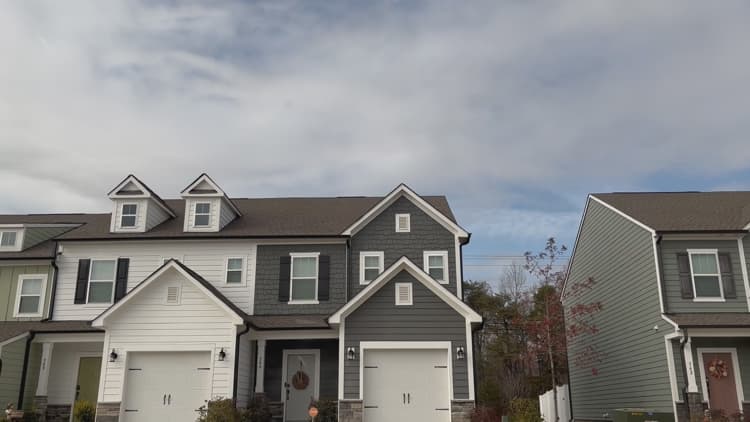
Photo via CNBC Business
President Donald Trump's high-profile 'Gold Card' initiative, designed to fast-track U.S. residency for wealthy foreign investors through a $1 million investment, has encountered significant obstacles since its launch. According to CNBC Business, the program promised expedited processing times but has instead faced mounting delays and legal complications that have dampened enthusiasm among its intended audience.
The struggles of the Gold Card program may have ripple effects for Charlotte's real estate and immigration-tied investment sectors. Programs linking foreign capital to residential or commercial real estate development have become increasingly important to developers and investors in the Southeast, making regulatory uncertainty in this space particularly relevant to local stakeholders.
Legal challenges surrounding the program's structure and compliance requirements have created hesitation among international investors who might otherwise pursue U.S. residency through real estate or business investment vehicles. This regulatory uncertainty could shift how wealthy foreign nationals approach property acquisition and business investments in markets like Charlotte.
For Charlotte business leaders in real estate, hospitality, and other sectors that attract foreign direct investment, the Gold Card's struggles underscore the importance of monitoring federal immigration policy. Changes to investment-backed residency programs could influence international capital flows into the region and affect everything from commercial development to residential market dynamics in coming years.