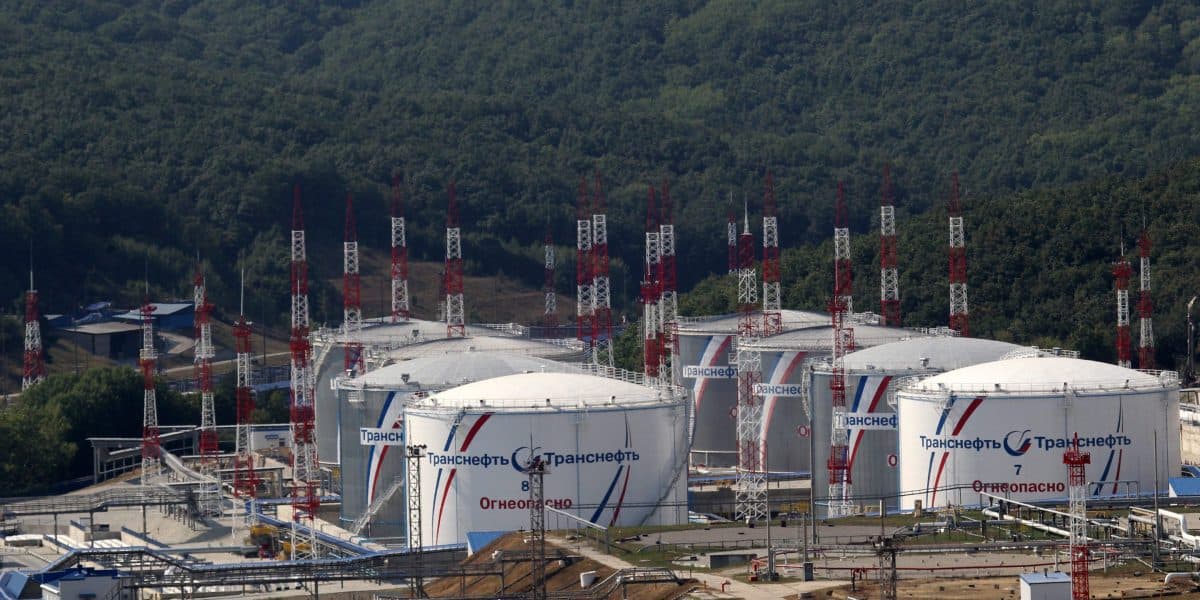
Photo via Fortune
Ukrainian forces have intensified military operations against Russian petroleum infrastructure, including a recent drone strike on a Russian oil terminal used for export operations. According to Fortune, the attack resulted in a fire at the facility, marking another step in Kyiv's expanding long-range strike capabilities. These operations represent a shift in Ukraine's military strategy as it seeks to degrade Russia's economic capacity to fund its war effort.
The targeting of Russian energy facilities carries broader implications for global energy markets. As a key exporter of crude oil, disruptions to Russian petroleum infrastructure can affect worldwide supply chains and fuel prices. For Charlotte-area businesses reliant on stable energy costs—including manufacturing, logistics, and transportation sectors—geopolitical tensions that threaten oil production create uncertainty in operational planning and budgeting.
Beyond terminal strikes, Ukrainian forces have also targeted vessels belonging to Russia's 'shadow fleet' in the Black Sea. These ships operate outside traditional insurance and sanctions frameworks to move sanctioned Russian oil. The dual-pronged approach of hitting both storage infrastructure and transport vessels demonstrates a coordinated effort to disrupt Russian energy exports at multiple points.
As Ukraine continues developing and deploying longer-range drone capabilities, the energy sector remains a strategic focus. The outcome of these operations could reshape global energy markets for months ahead, potentially affecting everything from gas prices at the pump to heating costs for regional businesses and residents across the Carolinas.