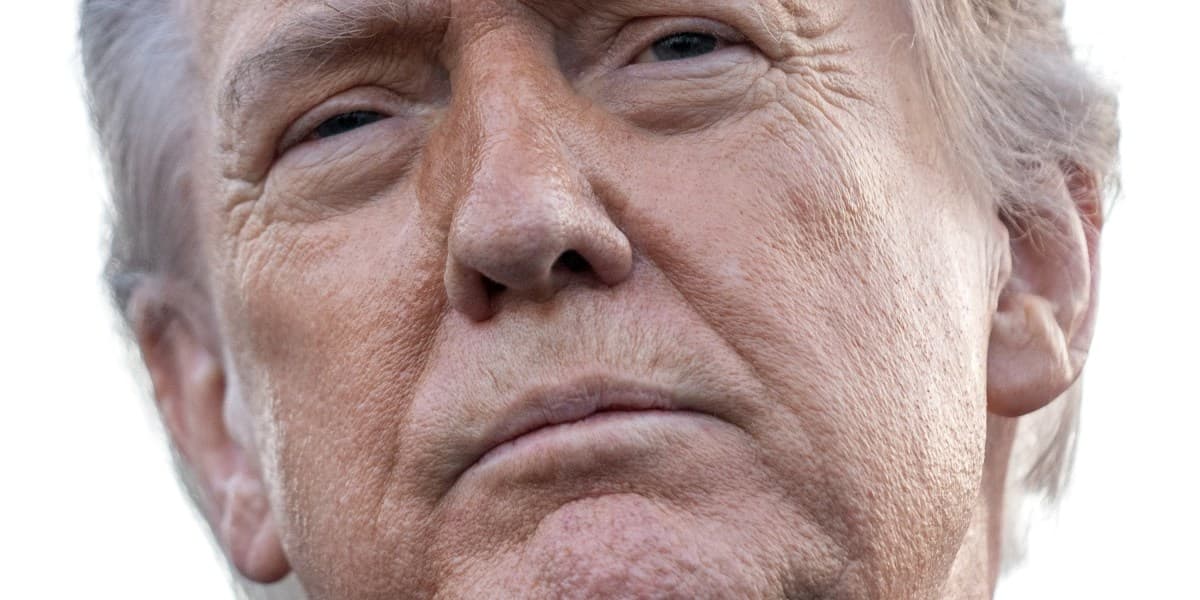
Photo via Fortune
The Trump administration has signaled a shift in Cuba policy that mirrors several strategies previously employed toward Venezuela, according to Fortune. The administration appears intent on using economic pressure as a primary tool to influence political change on the island nation. This approach represents a continuation of hardline measures rather than the diplomatic opening pursued by previous administrations over the past several decades.
Charlotte-area businesses with ties to Latin American trade and logistics should monitor these developments closely. The region's growing role in international commerce, particularly through sectors like distribution and financial services, could be affected by changing trade relationships in the Caribbean. Companies with existing Caribbean supply chains or investment exposure may face new regulatory considerations as policy tightens.
The strategy employs economic sanctions and trade restrictions as leverage, similar to pressure campaigns used elsewhere in the region. However, Fortune notes there are key differences in how this approach diverges from the Venezuela playbook in at least one significant way, suggesting the administration is tailoring its tactics rather than applying a one-size-fits-all methodology.
Local business leaders and investors should stay informed about these geopolitical shifts, as trade policy changes often ripple through regional economies. Organizations with Caribbean operations, import-export interests, or investments in the region may need to reassess their strategic positioning as the administration's approach becomes clearer in coming months.