Photo via Fortune
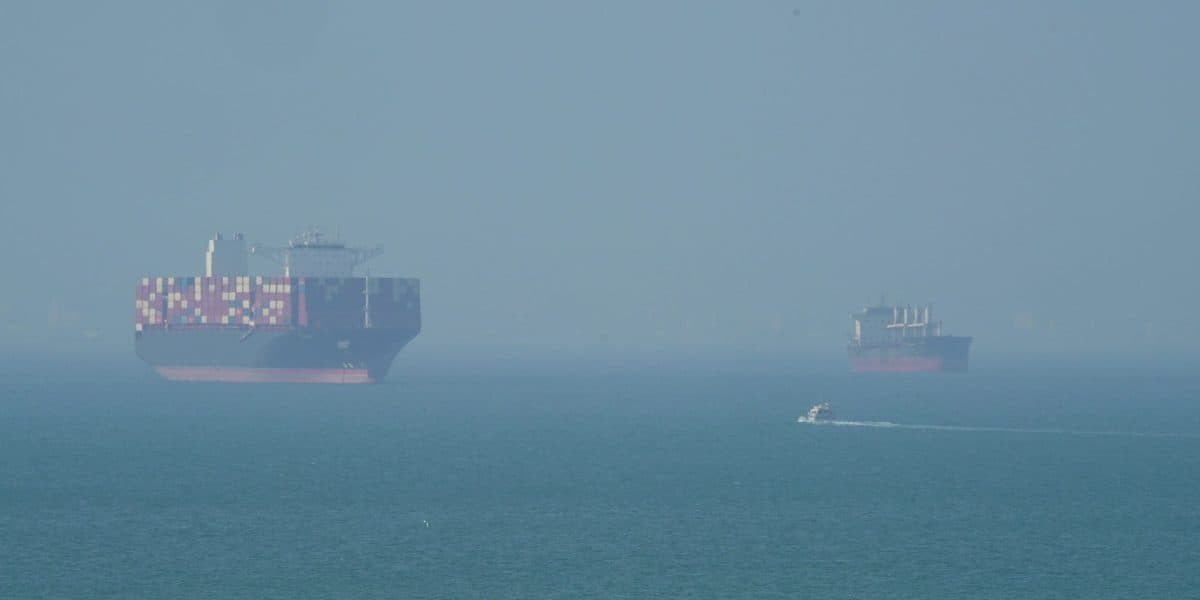
The U.S. government has clarified that American individuals and companies cannot enter into agreements with Iran to ensure safe transit through the Strait of Hormuz, one of the world's most critical shipping chokepoints. According to Fortune, the prohibition applies regardless of whether payment is exchanged, effectively barring U.S. persons from accessing any services provided by the Iranian government related to passage guarantees.
For Charlotte-area logistics firms and manufacturers dependent on international supply chains, this directive carries significant implications. Companies that rely on shipping routes through the Persian Gulf must now navigate heightened regulatory scrutiny and reassess their maritime insurance and routing strategies to ensure compliance with U.S. sanctions frameworks.
The restriction reflects ongoing geopolitical tensions and reinforces existing sanctions regimes against Iran. U.S. businesses operating in energy, manufacturing, and import-export sectors must verify that their shipping partners and intermediaries do not facilitate prohibited transactions, adding compliance complexity to global operations.
Local supply chain professionals should consult with trade compliance specialists to audit current shipping arrangements and contingency plans. As regional companies expand internationally, understanding these restrictions becomes essential to avoiding costly penalties and ensuring uninterrupted access to critical maritime routes.