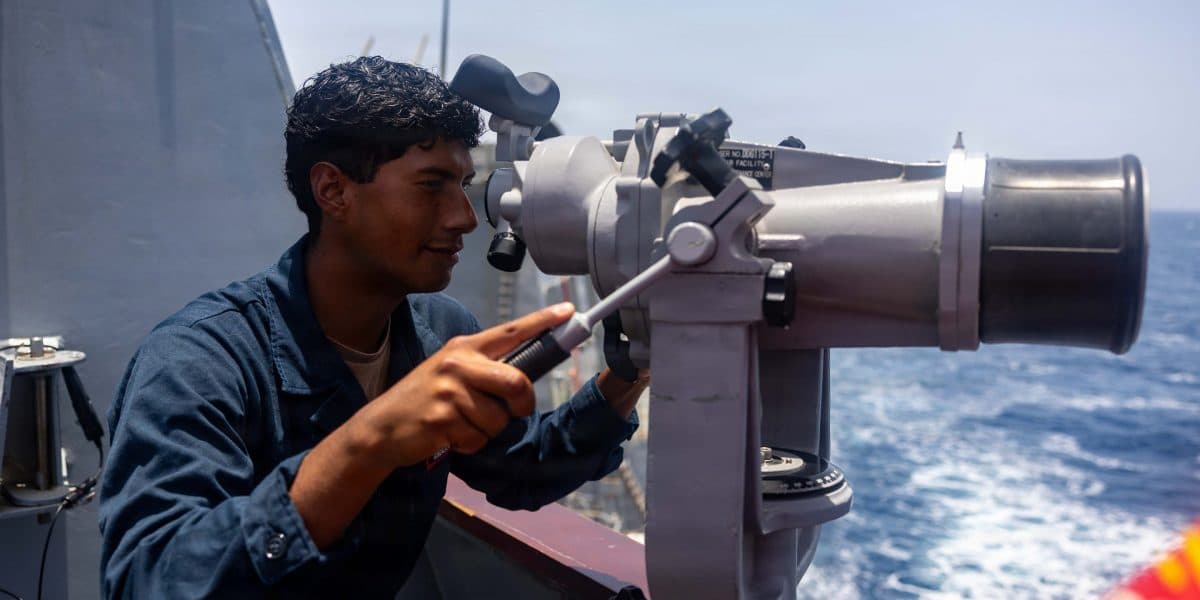
Photo via Fortune
According to Fortune, the U.S. military took direct action against a commercial vessel in the Gulf of Oman after the ship ignored multiple warnings while attempting to enter an Iranian port. The incident underscores escalating tensions in one of the world's most critical shipping corridors, a region through which significant volumes of global trade pass daily.
The vessel received more than 20 warnings before U.S. forces fired a missile into its engine room, disabling the ship. The incident demonstrates the military's commitment to enforcing maritime blockades in the region, though the full operational and commercial implications remain unclear as the vessel drifted without boarding by U.S. personnel.
For Charlotte-area businesses engaged in global supply chain operations, international trade, or logistics management, such incidents in key shipping lanes present real operational considerations. Supply chain disruptions in the Gulf of Oman can create ripple effects across multiple industries, from manufacturing to retail distribution, potentially affecting inventory timing and costs for companies relying on Asian imports or Middle Eastern trade routes.
The situation reflects broader geopolitical challenges affecting maritime commerce. Businesses monitoring international operations should consider how regional instability impacts shipping routes, insurance costs, and delivery schedules. Industry observers will likely see increased focus on diversifying supply chain routes and strengthening contingency planning for global logistics operations.