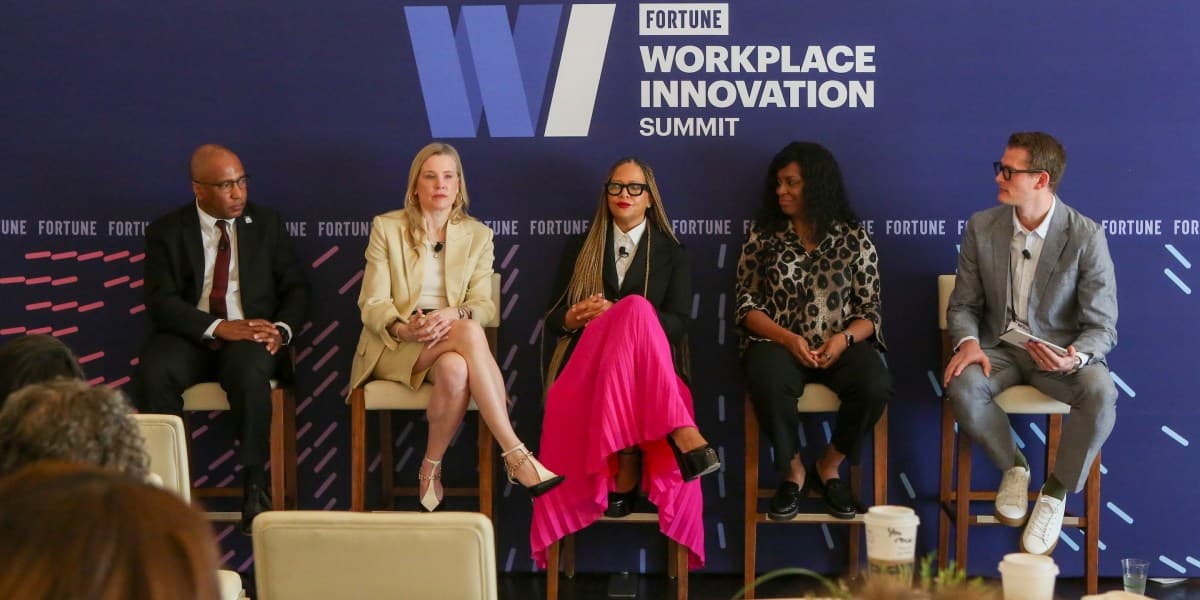
Photo via Fortune
The traditional pathway from diploma to desk job is no longer a guaranteed route to employment. According to insights shared at Fortune's Workplace Innovation Summit, Charlotte-area employers are fundamentally rethinking what they look for when hiring entry-level talent. The credential alone has lost its gatekeeping power, forcing both job seekers and educational institutions across North Carolina to reassess their preparation strategies.
Today's hiring managers increasingly prioritize communication, problem-solving, and adaptability—qualities that often come from internships, volunteer work, or real-world project experience rather than classroom study. For Charlotte's growing tech, finance, and healthcare sectors, this shift means recent graduates must demonstrate they can collaborate, learn quickly, and apply knowledge to actual business challenges. This is particularly crucial in our region's competitive talent market, where companies are eager to fill skilled positions but struggle to find candidates with both technical and interpersonal capabilities.
The implications extend beyond individual job seekers to Charlotte's educational institutions and workforce development programs. Universities and community colleges in the region must evolve their curricula to emphasize hands-on learning, industry partnerships, and skills employers actually need. Local businesses benefit from becoming more involved in education pipelines—mentoring students, offering internships, and clearly communicating their hiring expectations.
For Charlotte employers, this evolution presents an opportunity to build stronger talent acquisition strategies and invest in emerging workers before they hit the job market. By staying engaged with educational outcomes and defining skill requirements beyond job titles, companies can help shape the next generation of employees while gaining a competitive advantage in regional recruitment efforts.