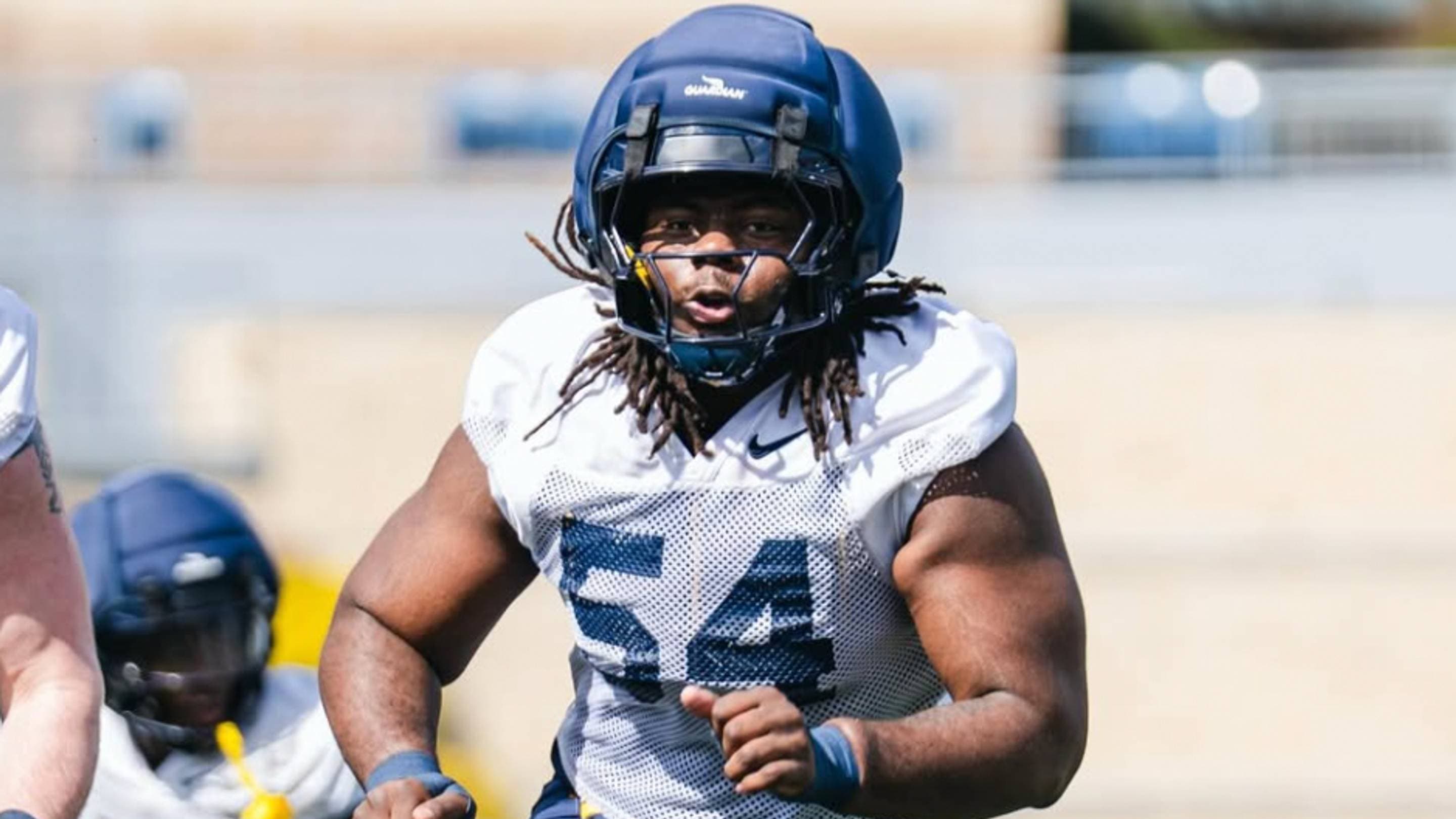
Photo via Si
College football has entered an era of unpredictability, with conference realignment, transfer portal volatility, and changing regulations reshaping programs annually. Yet according to Sports Illustrated, West Virginia University's football program has identified three foundational elements fans can rely on heading into the 2026 season—a rare claim in today's landscape. For Charlotte-area sports business professionals and investors tracking college athletics trends, understanding what creates stability in such a fluid environment offers valuable insights into long-term strategic planning.
Program consistency in college football increasingly depends on factors beyond wins and losses: coaching stability, institutional commitment to athletic infrastructure, and organizational culture. When universities can articulate what stakeholders can realistically expect, it builds the kind of predictability that attracts sponsorships, media partnerships, and fan investment. WVU's ability to identify guaranteed elements of their program reflects the type of transparent stakeholder communication that successful regional sports organizations in the Charlotte market—from the Panthers to local minor league teams—must cultivate.
For Charlotte business leaders evaluating partnerships with college athletic programs or considering sports-related investments, WVU's approach underscores the importance of identifying what elements of an organization remain constant amid change. As college sports continue evolving, institutions that clearly communicate their foundational strengths will likely prove more attractive to corporate partners and investors seeking reliable, long-term engagement opportunities in the athletic marketplace.