Photo via Fast Company
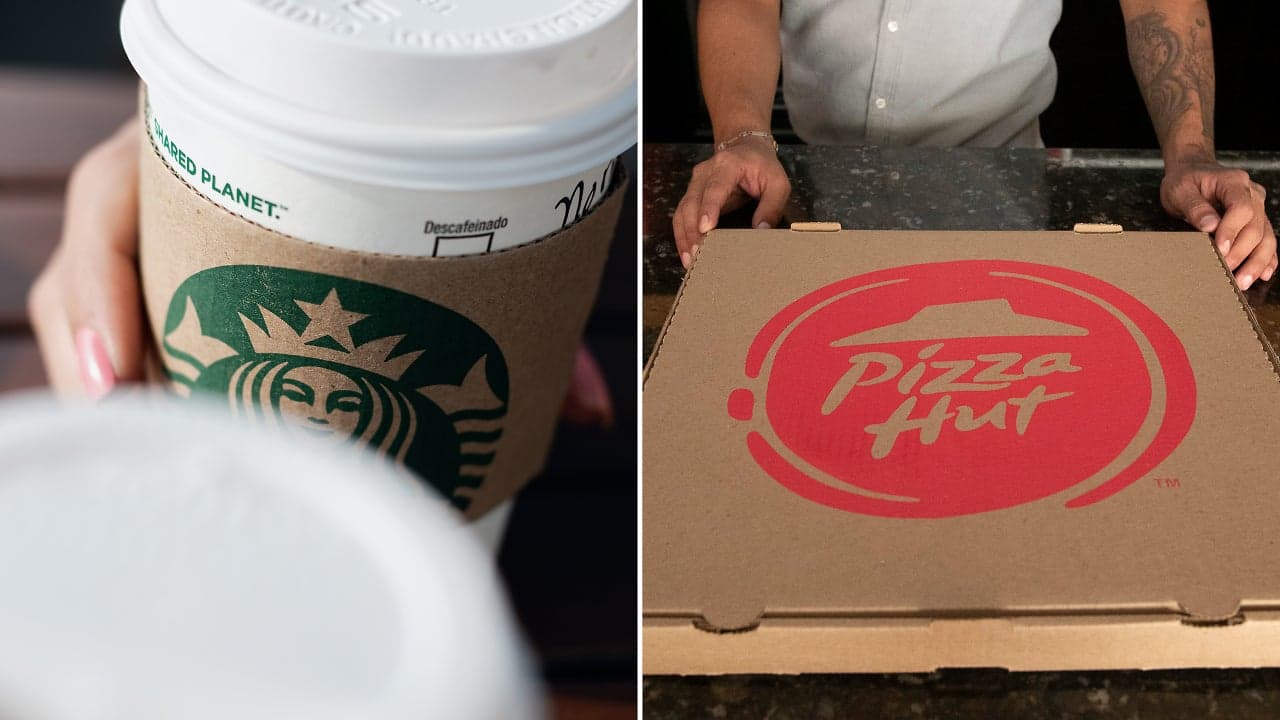
Two major restaurant chains recently learned costly lessons about artificial intelligence implementation, raising questions for Charlotte-area business leaders considering similar investments. According to Fast Company, Starbucks scrapped an inventory-counting AI tool after it produced inaccurate stock levels and mislabeled products, while Pizza Hut faces a $100 million lawsuit from a franchisee who claims a delivery optimization system devastated operations. The back-to-back missteps have sparked broader industry conversation about whether companies are moving too hastily to adopt AI without adequate testing.
Starbucks' decision to retire its Automated Counting tool came after the company determined the technology created more problems than it solved across its North American locations. The company framed the move as part of a deliberate strategy of testing, listening to employee feedback, and iterating—suggesting that some degree of failure is expected in AI adoption. However, Starbucks continues investing in other AI applications, including barista assistants and order-sequencing systems, indicating the company views the setback as isolated rather than a wholesale retreat from automation.
The Pizza Hut situation reveals how AI failures can cascade throughout an entire business model. Chaac Pizza Northeast, operating more than 100 franchise locations, alleges that Dragontail—a delivery optimization tool—inadvertently made operations worse by causing DoorDash drivers to wait for multiple orders simultaneously, extending delivery times from under 30 minutes to over 45 minutes on half of all orders. The franchisee claims the forced adoption cost it over $100 million in lost revenue and enterprise value, with sales at New York City locations swinging from positive growth to nearly 10% decline.
For Charlotte business owners and executives evaluating AI investments, these cautionary tales underscore the importance of thorough pilot testing and honest assessment of whether automation serves customers or merely serves technology trends. Social media observers are speculating that after years of aggressive AI adoption, companies may increasingly pull back from the technology when implementation proves problematic. The key lesson: implementing AI for its own sake, without clear operational benefits and employee buy-in, can undermine customer satisfaction and profitability faster than traditional methods ever could.