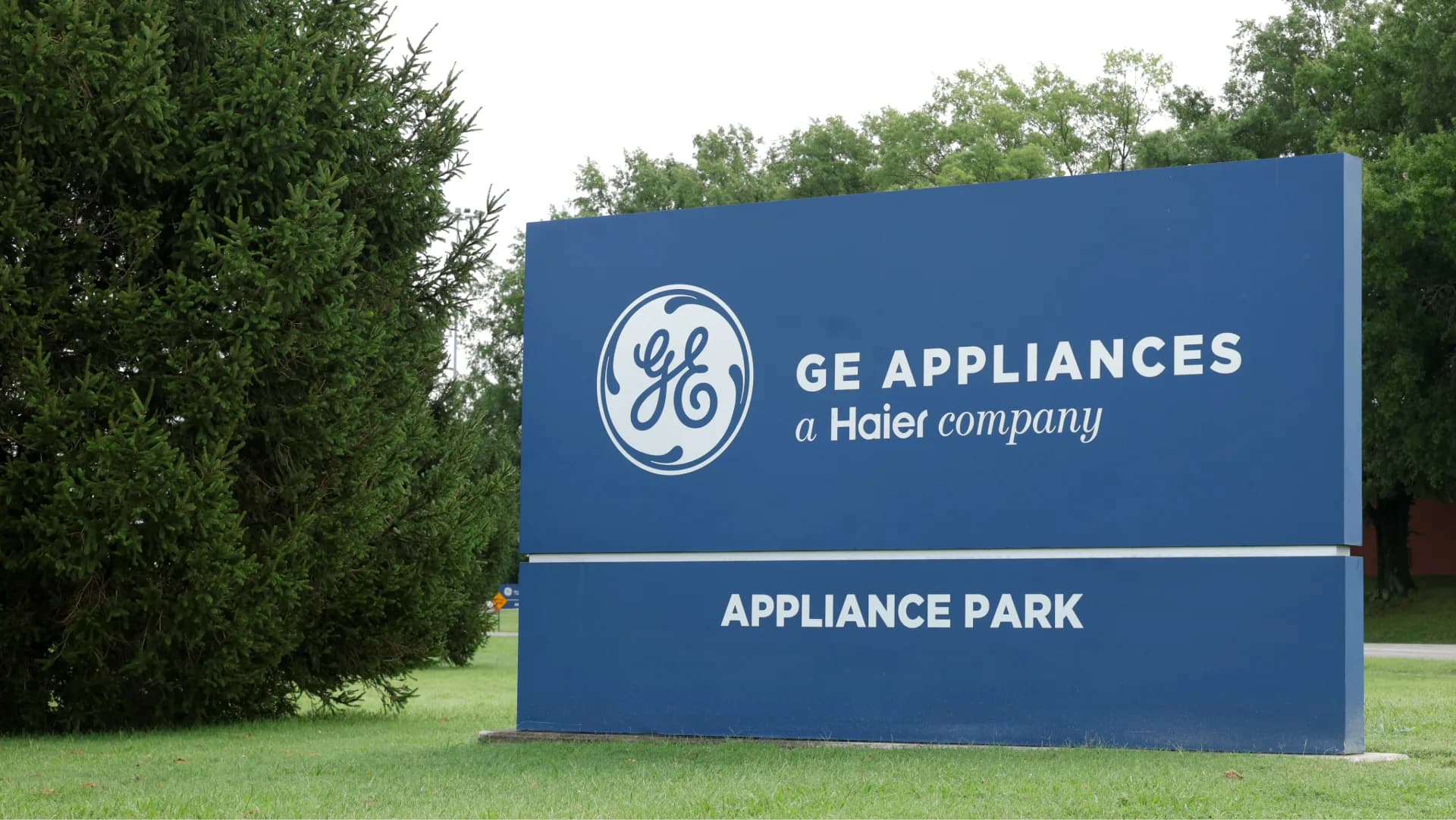
Photo via Inc.
While most manufacturers continue pursuing lower-cost production overseas, GE Appliances is charting a different course. The company, owned by China-based Haier, is investing $490 million to build a state-of-the-art smart factory in Louisville, Kentucky, marking a significant reshoring effort that could reshape industry thinking about domestic manufacturing.
The decision reflects a calculated business strategy centered on tariff avoidance and supply chain predictability. By consolidating production stateside, GE Appliances eliminates the tariff exposure that comes with importing goods from abroad—a concern that has grown more acute as trade policy uncertainty persists. For Charlotte-area manufacturers and logistics firms, this trend underscores the competitive advantages of domestic operations in an era of trade volatility.
The Louisville facility will create approximately 800 new jobs and leverage advanced manufacturing technology to improve efficiency and quality. This move demonstrates that reshoring can be economically viable when companies invest in automation and smart factory capabilities, rather than relying solely on labor cost advantages. The project signals that U.S. manufacturing competitiveness isn't entirely eroded.
For regional business leaders, GE Appliances' investment offers a lesson: strategic reshoring decisions increasingly hinge on factors beyond wages—tariff exposure, supply chain resilience, and operational control all matter. As more companies reassess their global footprints, opportunities may emerge for Charlotte's growing manufacturing and advanced logistics sectors to capture new business.