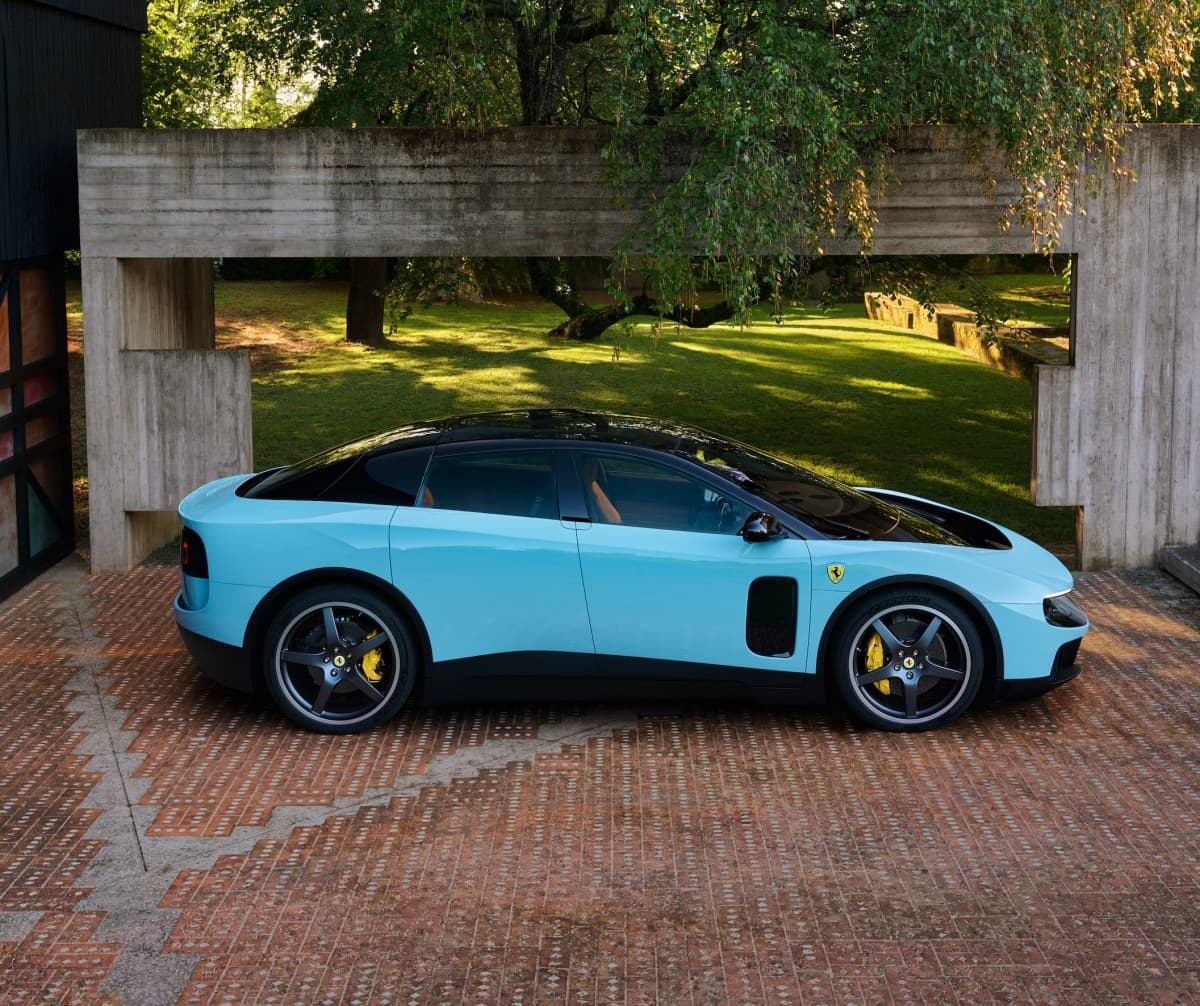
Photo via TechCrunch
The automotive industry is experiencing a fundamental shift in how manufacturers approach product development and consumer acceptance. According to TechCrunch's mobility coverage, the traditional model of consumer preference directly influencing design decisions is evolving as artificial intelligence and advanced technology become central to vehicle innovation. This trend has implications for Charlotte's growing automotive and tech sectors, where companies are investing in next-generation transportation solutions.
The case of luxury vehicle launches demonstrates how manufacturers are willing to move forward with bold technological initiatives regardless of initial public sentiment. When consumer backlash emerges, companies increasingly rely on data-driven insights and AI-powered market analysis rather than halting development. For Charlotte-area businesses in automotive supply, logistics, and technology services, understanding this shift is crucial to aligning partnerships and service offerings with industry direction.
AI integration in mobility extends beyond vehicle design to encompass manufacturing, supply chain optimization, and autonomous features. Charlotte's logistics and tech communities are already feeling this impact, as regional companies adapt to support the intelligence-driven transportation ecosystem. The ability to leverage AI for predictive maintenance, route optimization, and fleet management is becoming table stakes for competitive advantage.
For regional stakeholders in automotive, manufacturing, and technology sectors, the key takeaway is clear: the future of transportation will be shaped by algorithmic decision-making and technological capability rather than traditional consumer polling alone. Companies preparing for this landscape by investing in AI competency and data infrastructure position themselves to thrive as the industry continues its transformation.