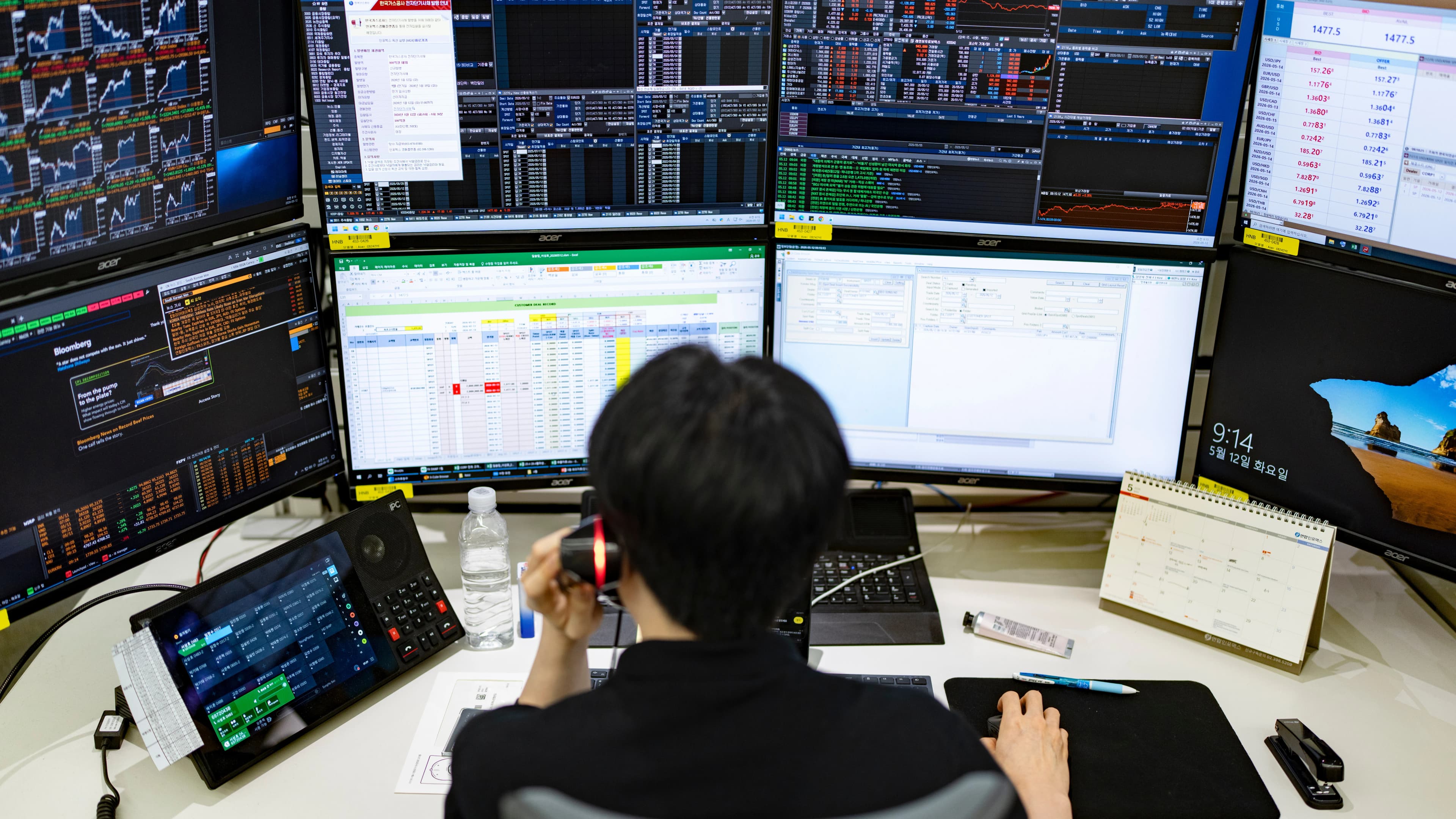
Photo via Inc.
South Korea has emerged as a critical linchpin in the global artificial intelligence expansion, with the nation's stock market nearly tripling over the past two years, according to Inc. The country's dominance in semiconductor manufacturing and AI-related technologies has made it essential to the worldwide tech ecosystem. For Charlotte-area investors and businesses with exposure to technology stocks, understanding this concentration risk is increasingly important.
The AI infrastructure buildout depends heavily on the chip production capacity controlled by South Korean manufacturers. As demand for AI processors continues to accelerate, the country's ability to scale production directly impacts whether companies globally—including those in Charlotte's growing tech sector—can access the components they need. This geographic concentration creates both opportunity and vulnerability.
A looming interest rate decision by South Korea's central bank could significantly affect the investment climate that has fueled recent market gains. Rising rates could dampen corporate expansion plans and investor enthusiasm, potentially triggering broader market corrections that ripple through U.S. technology portfolios. Charlotte investment professionals should monitor these developments closely, as many regional portfolios likely include exposure to South Korean equities or U.S. tech companies dependent on Korean supply chains.
For Charlotte businesses operating in tech, finance, and manufacturing sectors, the lesson is clear: global economic conditions in key markets can rapidly reshape local opportunities. Companies should assess their supply chain dependencies and consider diversification strategies to mitigate risks associated with concentrated geopolitical or sectoral exposure.