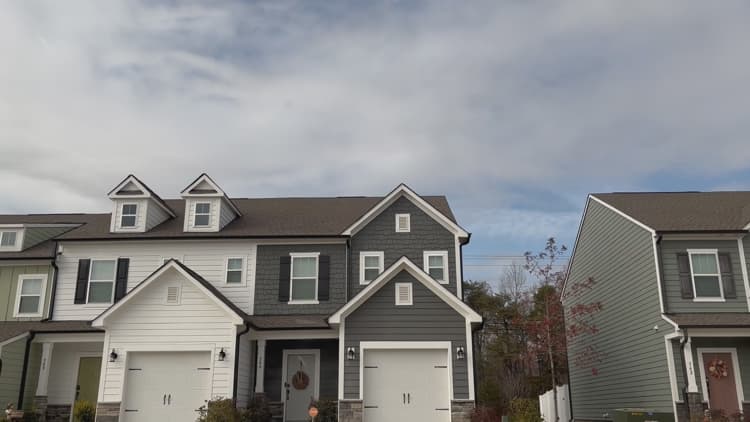
Photo via Fast Company
According to analysis from ResiClub, a sharp divergence is emerging in regional housing market performance as summer 2026 approaches. Markets in the Northeast and Midwest are experiencing significantly tighter inventory conditions compared to pre-pandemic 2019 levels, with cities like Chicago and Hartford, Connecticut showing 63% and 78% less inventory respectively. This inventory scarcity is translating into continued home price resilience, with markets like Milwaukee posting year-over-year price gains of 5.3%.
In contrast, Sunbelt markets that experienced explosive pandemic-era growth are cooling considerably. Cities like Austin and Punta Gorda, Florida, face pressure as home prices that surged during the migration boom now exceed what local incomes can support. The abundance of new construction in the pipeline across the South has given builders leverage to offer incentives and price reductions, creating a downstream cooling effect on resale markets as buyers shift toward new construction deals.
The structural differences between these regions stem from their pandemic experiences. Northeast and Midwest markets were less dependent on domestic migration waves and have fewer new-construction projects in development. This insulation from the migration pullback, combined with minimal builder incentives, has kept active listings well below historical levels and supported upward price pressure heading into the summer selling season.
For Charlotte-area real estate professionals and investors, these trends underscore the importance of regional market dynamics in pricing strategy. While the Carolinas have experienced their own growth pressures, understanding how inventory levels and new construction pipelines drive price resilience—or weakness—in comparable metros can inform both short-term decisions and longer-term portfolio positioning.