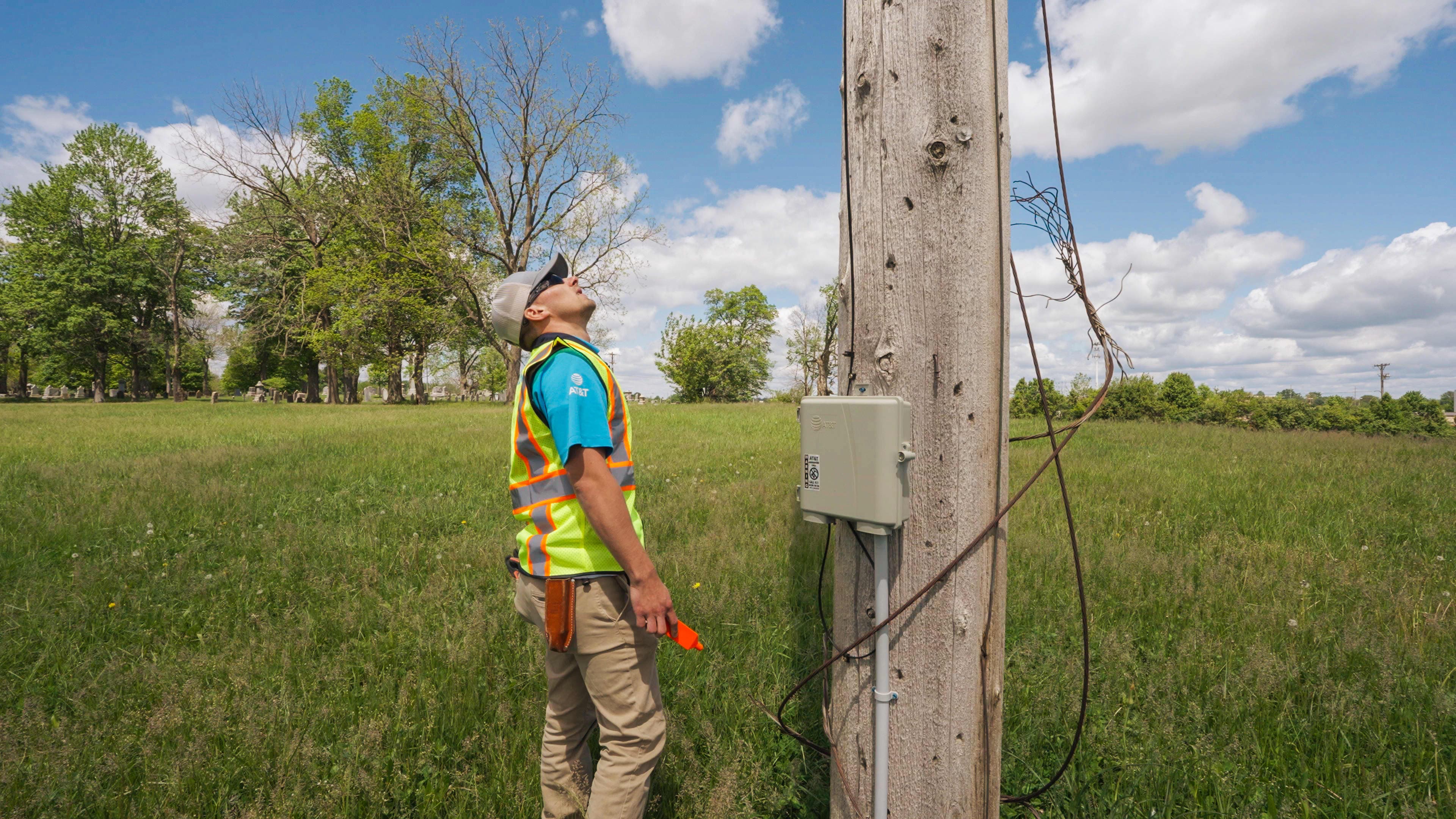
Photo via CNBC Business
The artificial intelligence boom is fundamentally altering the employment landscape in ways that could benefit Charlotte's skilled workforce. According to CNBC Business, major corporations are shifting their hiring priorities away from traditional entry-level positions for degree holders and toward workers trained in skilled trades. This trend reflects how automation is reshaping which jobs remain valuable in an AI-driven economy.
Large manufacturers and telecommunications firms, including companies like Ford and AT&T, are actively recruiting workers with technical skills in plumbing, electrical work, HVAC, and other trades. The demand signals a critical realization among employers: while AI can handle routine office tasks and data processing, hands-on skilled work remains difficult to automate. For Charlotte's workforce development programs and community colleges, this represents an opportunity to align training initiatives with genuine market demand.
The shift poses a challenge to the traditional college-to-career pipeline that has defined the American Dream for decades. Entry-level corporate positions that once welcomed recent graduates are increasingly scarce, prompting a reevaluation of education and career pathways. Charlotte-area universities and technical schools may need to emphasize alternative routes to stable, well-paying careers that don't require four-year degrees.
For job seekers and parents in the Charlotte region, this transformation suggests that skilled trades could offer competitive wages and job security in the coming years. As companies invest in recruiting and training workers for these positions, the economic calculus of career planning is shifting—potentially favoring those willing to pursue technical certifications and apprenticeships over traditional higher education alone.