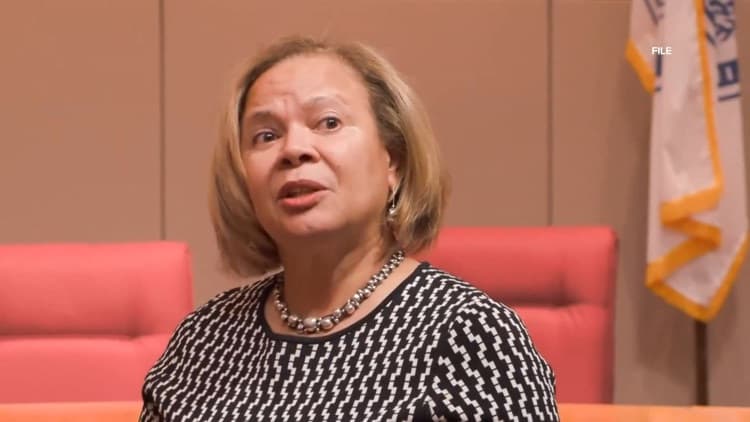
Photo via WCNC Charlotte
Charlotte's municipal leadership is facing scrutiny over proposed salary adjustments that reveal significant disparities in compensation philosophy across city government. According to WCNC Charlotte, Mayor Vi Lyles is slated to receive a 14.6% raise, a figure that stands in sharp contrast to the 4% increase budgeted for rank-and-file city employees, raising questions about how the city prioritizes compensation across its workforce.
The pay gap extends to City Council as well, though less dramatically. Council members would see their base salaries increase from $41,600 to $45,644, representing a 9.7% raise—more than double the increase offered to city workers. These tiered increases suggest different standards are being applied depending on position level, a distinction that has drawn criticism from those questioning the equity of such decisions.
For Charlotte's business community, municipal compensation decisions carry broader implications. Government payroll practices often set community standards for talent recruitment and retention, while public sector workforce morale can impact service quality and operational efficiency. The disparity raises questions about how Charlotte positions itself as an employer and what message these decisions send regarding fair compensation practices in the region.
As the city council deliberates these increases, stakeholder feedback may shape final decisions. Business leaders and workforce advocates are watching closely, as municipal pay decisions can influence broader regional discussions about wage equity, employee retention, and organizational priorities during a period when many employers across sectors are reassessing their compensation strategies.