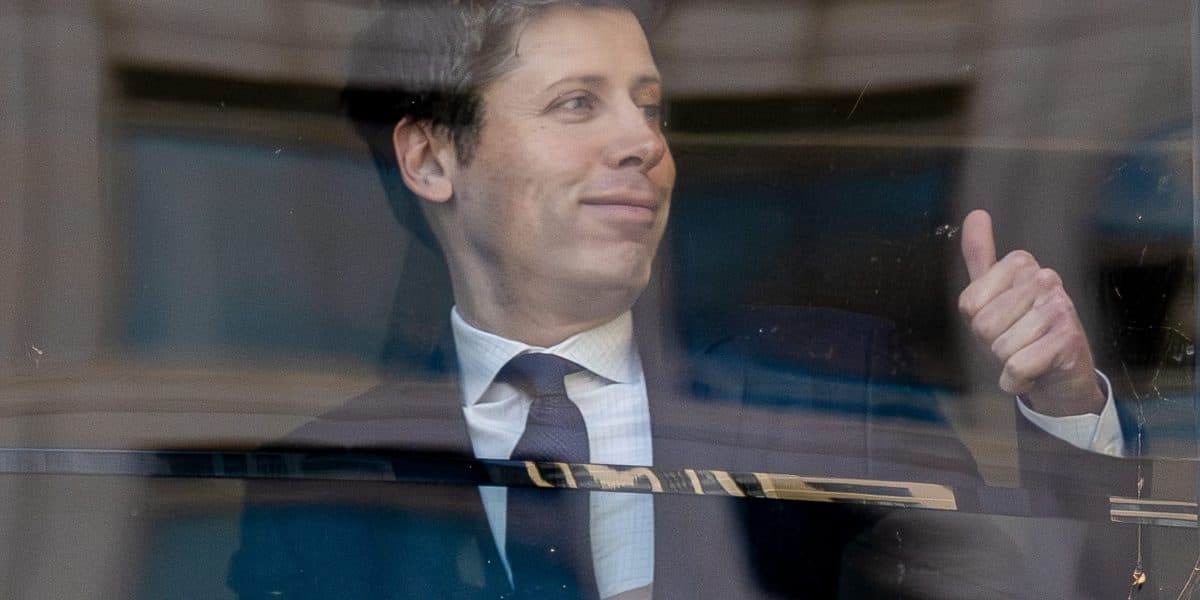
Photo via Fortune
A high-profile legal dispute between two of tech's most influential figures has renewed debate about who should control artificial intelligence development and safety standards. According to Fortune, the conflict highlights a troubling reality: relying on individual billionaires as the primary guarantors of AI's responsible future is fundamentally inadequate. This question carries weight for Charlotte's expanding technology community, which increasingly intersects with AI applications across finance, banking, and emerging startups.
The underlying tension reflects a broader governance gap in the AI industry. As these prominent figures position themselves as the ultimate authorities on AI safety, the real issue becomes whether such critical decisions should rest with any single person or company. Charlotte-area business leaders and tech entrepreneurs should recognize that sustainable AI governance requires diverse perspectives, institutional oversight, and inclusive stakeholder input—not centralized control by individual visionaries.
For Charlotte's business community, the implications are significant. As local companies adopt AI tools and technologies, they need confidence that industry standards are developed through transparent, collaborative processes rather than behind-the-scenes power struggles among tech executives. Regional financial institutions and growing tech hubs must advocate for governance frameworks that protect innovation while establishing clear ethical boundaries.
Moving forward, businesses and policymakers in Charlotte should push for AI oversight mechanisms that distribute responsibility across multiple institutions, regulatory bodies, and independent experts. This approach would create more resilient safeguards and prevent excessive influence from concentrating in any single leader's hands. The future of artificial intelligence should be determined by broader consensus, not billionaire disputes.