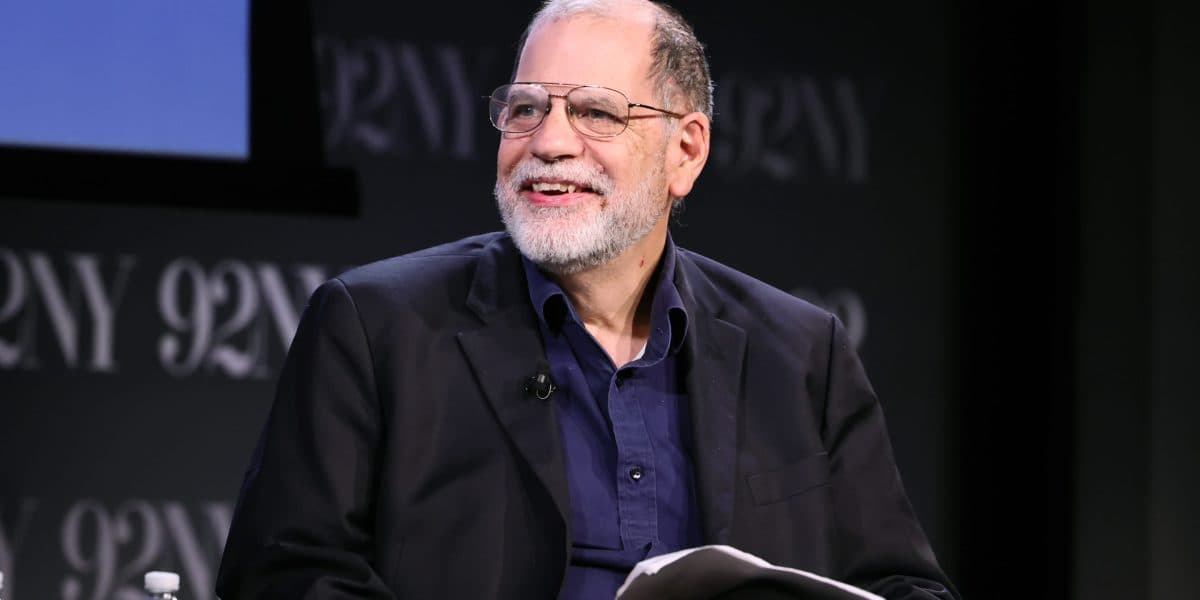
Photo via Fortune
Prominent economist Tyler Cowen offers a contrarian view on artificial intelligence's impact on the American workforce, suggesting that widespread job losses may not be the defining economic story of the coming decade. Instead, Cowen argues the real challenge lies in how workers and industries adapt to a fundamentally altered business landscape. For most Americans, he contends, the transition could ultimately prove beneficial—creating what he describes as a "more normal, maybe happier" reality.
Charlotte's robust financial services and legal sectors should pay particular attention to Cowen's analysis. According to his assessment, professionals in banking, law, and related fields face disproportionate disruption as AI automates tasks that historically defined their work. The region's significant concentration of banking headquarters and professional firms means local business leaders must begin serious planning around workforce reskilling and service model transformation.
Rather than viewing AI purely through an employment lens, Cowen suggests the economy will experience a broader adjustment period where job roles evolve rather than disappear entirely. This distinction matters for Charlotte's business community—it implies opportunity for companies that proactively redesign operations and invest in upskilling employees, rather than those that delay adaptation.
For Charlotte executives, the takeaway is clear: the AI era demands strategic workforce planning, not panic. Organizations that treat technological change as a catalyst for reinvention—particularly in professional services—may emerge stronger than competitors who resist transformation. The question isn't whether change is coming, but how quickly local businesses can position themselves to lead it.