Photo via Inc.
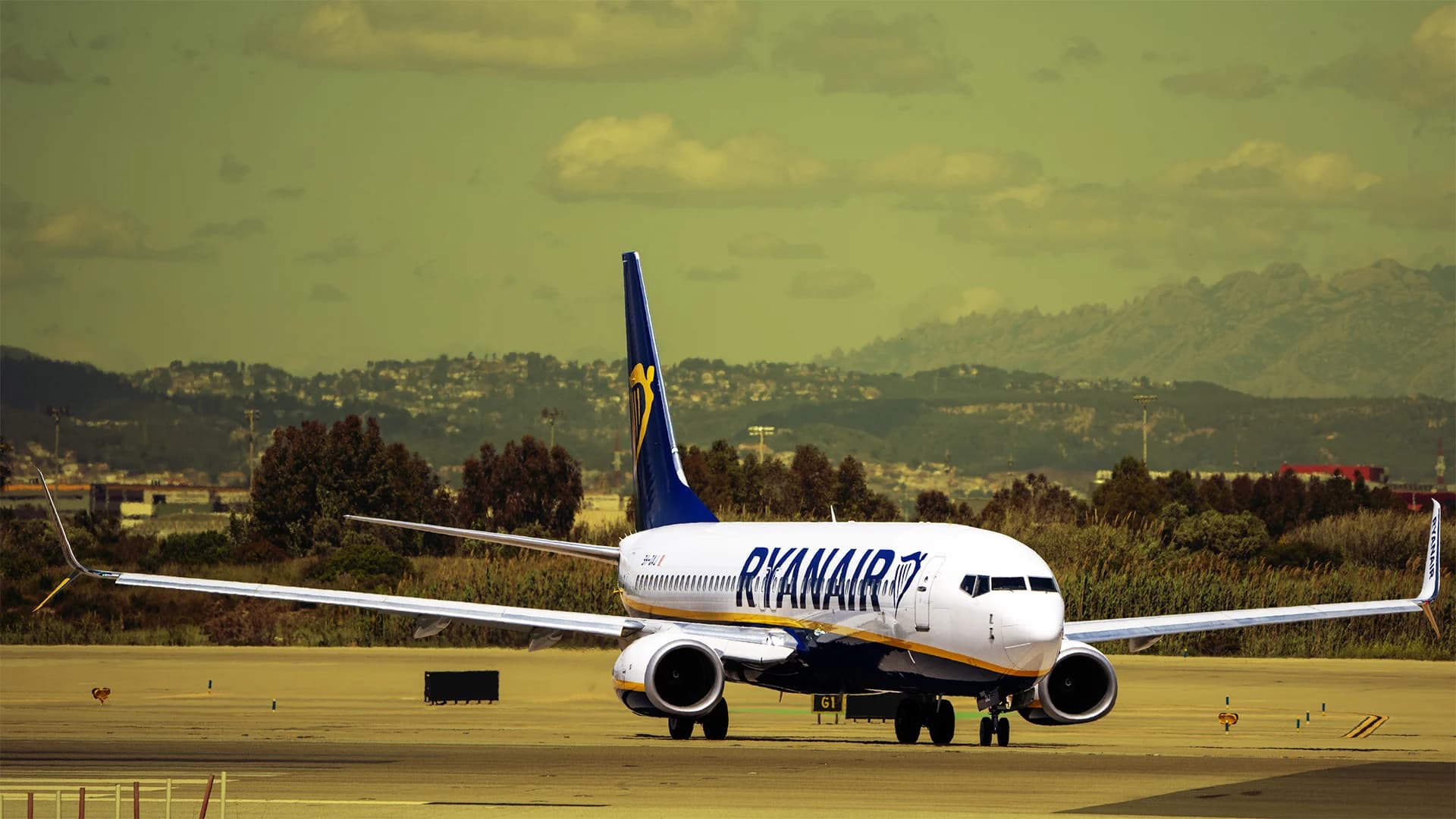
The airline industry is entering a critical period of consolidation as fuel costs create stark competitive advantages for well-positioned carriers. According to reporting on Ryanair's financial outlook, the European low-cost carrier has already secured most of its summer fuel supply, giving it significant pricing predictability while competitors scramble to manage volatile energy expenses. This strategic positioning allows Ryanair to maintain stable fares even as other airlines face mounting pressure.
The competitive disparity is creating what industry observers are calling an "armageddon" scenario for financially weaker airlines. Those unable to hedge fuel costs effectively or lacking sufficient liquidity face potential bankruptcy before year-end. For Charlotte-area businesses that rely on air travel for operations and client meetings, this consolidation could mean fewer flight options, reduced competition on key routes, and potentially higher ticket prices once weaker competitors exit the market.
Ryanair's announcement that it will keep fares flat despite fuel price concerns demonstrates how operational efficiency and forward planning provide competitive moats in the airline business. The carrier's ability to lock in fuel costs ahead of peak summer travel gives it flexibility to undercut competitors while maintaining profitability. Other airlines without similar hedging strategies face a difficult choice: raise fares to cover costs or absorb losses that drain reserves.
Charlotte's business community should monitor this industry shakeout closely. The Queen City's status as a major US Airways hub means local companies depend on robust airline competition and pricing. As the industry consolidates, businesses may need to adjust travel budgets and build longer lead times into flight bookings. Companies with flexible travel policies and relationships with multiple carriers may be better positioned to navigate the potential disruptions ahead.