Photo via CNBC Business
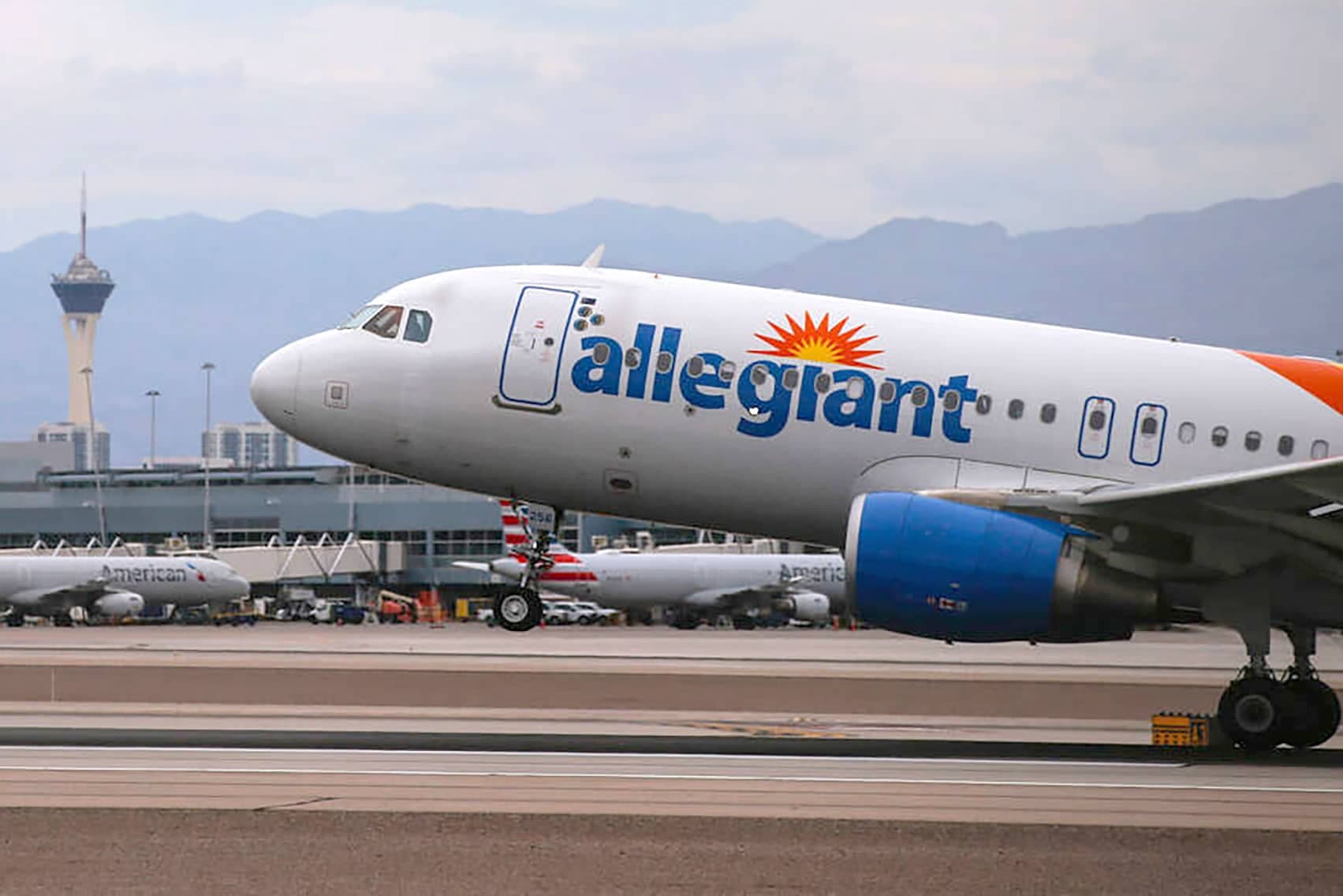
Allegiant Air's completion of its Sun Country Airlines acquisition underscores a broader industry trend toward ultra-low-cost carriers in the U.S. aviation market. According to CNBC reporting, Allegiant CEO Greg Anderson has made a forceful argument that the budget airline model remains resilient despite headwinds facing the broader sector, including elevated fuel prices and economic uncertainty.
Anderson's optimism hinges on sustained demand for leisure travel—a market segment that has proven remarkably durable even when operating costs climb. The CEO's confidence in this thesis shapes the strategic rationale for the Sun Country deal, which expands Allegiant's footprint and route network. For Charlotte-area travelers and the region's tourism-dependent businesses, competitive low-cost options on popular leisure routes could increase airport traffic and visitor spending.
The acquisition reflects a consolidation trend in the ultra-low-cost carrier segment, where operational efficiency and point-to-point route networks create competitive advantages. Allegiant's model—characterized by minimal amenities, secondary airport focus, and lean staffing—has historically delivered lower fares than legacy carriers. This pressure on pricing benefits consumers but also raises questions about service quality and labor practices in the industry.
For Charlotte's business community, the implications are mixed. While budget carriers can stimulate regional air travel volumes and support hospitality and convention sectors, they also intensify competition for CLT's major carriers. The outcome will depend on which routes Allegiant prioritizes and how aggressively it competes on Charlotte-based flights in coming quarters.