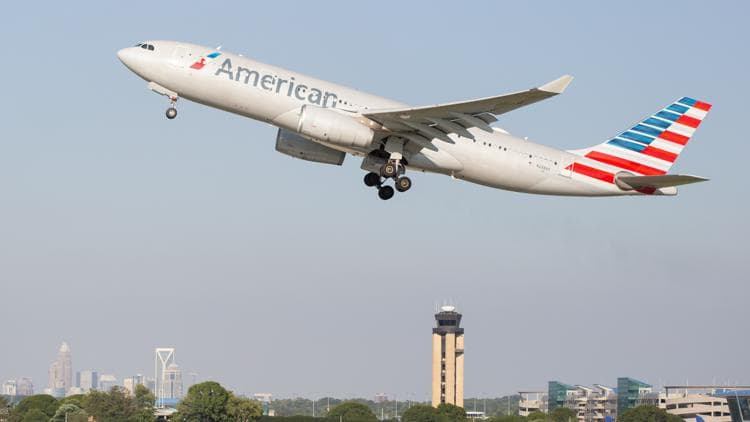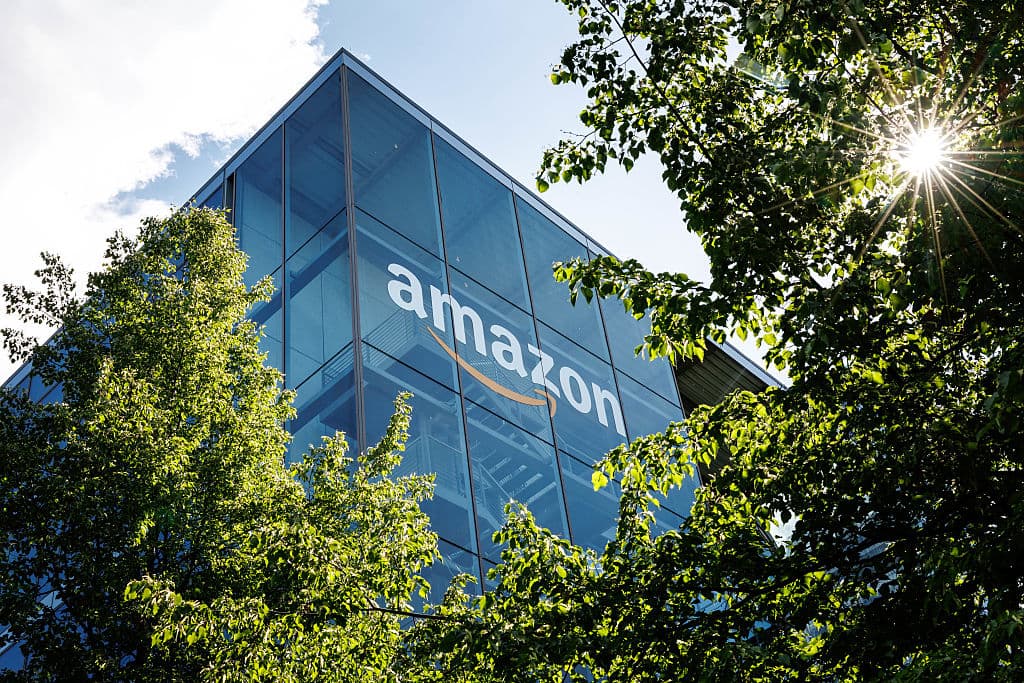
Photo via TechCrunch
Amazon has rolled out a major expansion of its expedited delivery capabilities, now offering 30-minute delivery for groceries, household essentials, and other items across the United States. According to TechCrunch, the move represents a significant acceleration in the company's logistics infrastructure, allowing customers to receive products in roughly the time it takes to visit a physical store.
For Charlotte-area businesses, particularly those in retail and last-mile logistics, this development signals a new competitive threshold. Local companies operating in the e-commerce fulfillment and delivery space will need to evaluate their service capabilities and technological investments to remain competitive against Amazon's expanding network and speed advantages.
The grocery and household goods sectors face particular implications. Retailers in the Carolinas that partner with third-party delivery providers or operate their own fulfillment networks may face pressure to match or differentiate from Amazon's 30-minute standard. This could drive innovation among regional players seeking alternative value propositions beyond speed alone.
Industry observers note that such rapid delivery models typically rely on dense warehouse networks and sophisticated logistics technology. Charlotte's growing presence as a distribution hub—supported by its central East Coast location and transportation infrastructure—may position local companies either as beneficiaries of increased logistics demand or as competitors needing to adapt their business models.