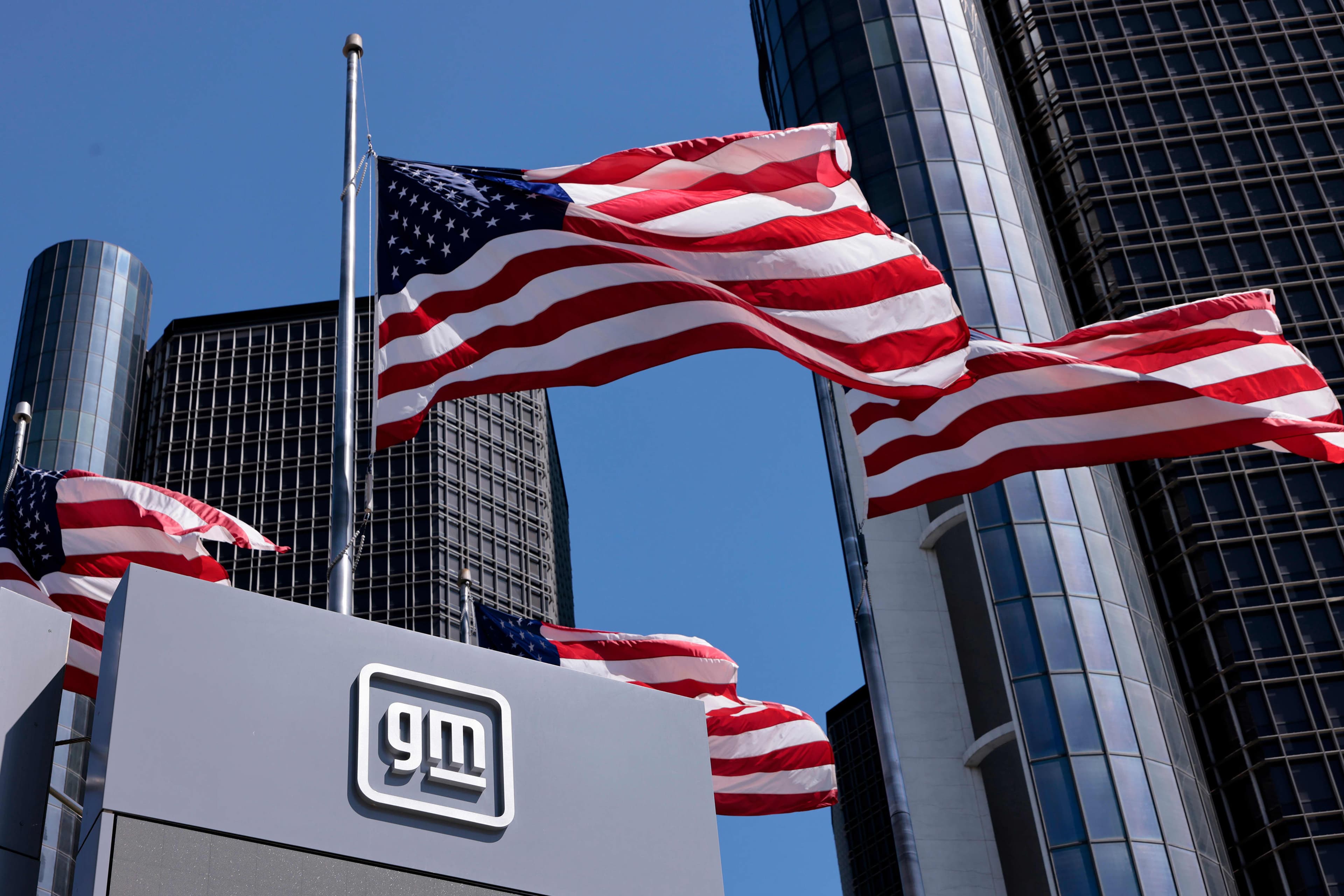
Photo via CNBC Business
The automotive industry is undergoing a significant contraction in its white-collar workforce. According to CNBC Business, Detroit-based automakers have eliminated more than 20,000 salaried positions in the United States as the sector grapples with technological transformation. This represents one of the most substantial workforce reductions the industry has experienced in recent years, affecting engineers, designers, administrative staff, and other office-based roles across multiple companies.
The primary driver behind these cuts is the accelerating adoption of artificial intelligence and related technological innovations fundamentally changing how vehicles are designed, manufactured, and brought to market. As automakers invest heavily in AI-powered design tools, autonomous vehicle development, and predictive manufacturing systems, the need for certain traditional roles has diminished. The shift reflects a broader industry pivot away from internal combustion engines toward electric vehicles and autonomous capabilities—both requiring different skill sets and operational structures.
For the Carolinas, this trend warrants close attention. North Carolina and South Carolina have developed robust automotive manufacturing and supply chain ecosystems, with numerous Tier 1 and Tier 2 suppliers supporting major automakers. If Detroit's restructuring continues, regional suppliers and service providers could face pressure to modernize operations, reduce headcount, or invest in AI capabilities to remain competitive. Business leaders in the Carolinas should monitor how their automotive sector partners adjust to these industry-wide changes.
The broader implications extend beyond the auto industry itself. This consolidation signals how rapidly artificial intelligence is reshaping white-collar employment across sectors. Charlotte-area companies in manufacturing, professional services, and technology should consider how similar automation and AI adoption might affect their own workforce strategies and competitive positioning in the coming years.